
PMP Pentamethylpiperidinol
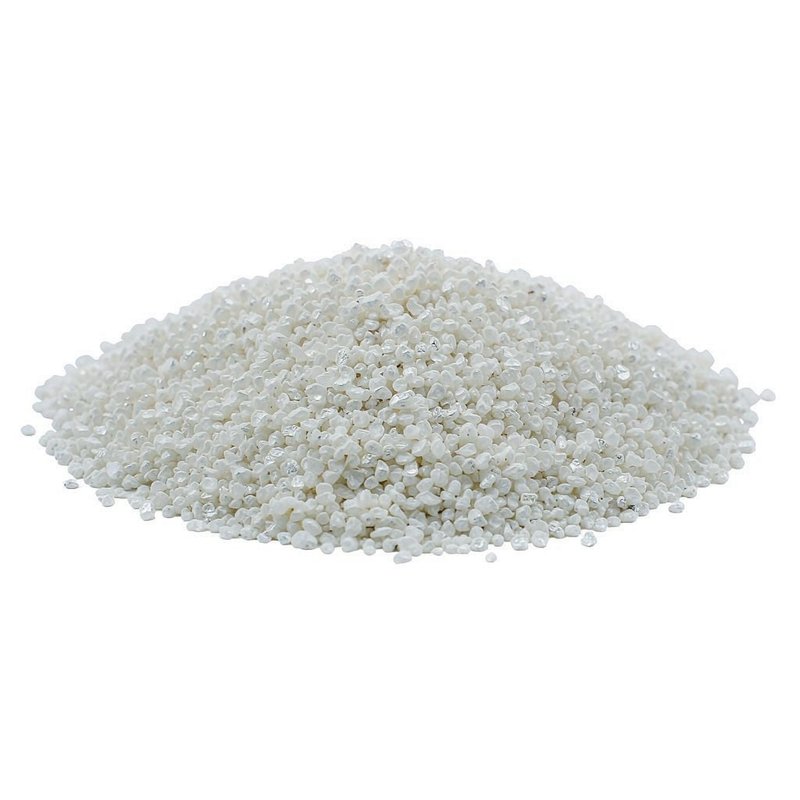
Hindered amine intermediate · PMP
Important intermediate for HALS; the N-methylated hindered amine structure offers tuned basicity and compatibility
What it is
Tiangang® PMP (1,2,2,6,6-Pentamethylpiperidin-4-ol) is a hindered amine intermediate. These are the raw materials or monomers used to build hindered amine light stabilizers. They are not end-use additives: the buyer still polymerises, esterifies or aminates them into finished grades such as 944, 622 or 2020. Product identifiers: chemical name 1,2,2,6,6-Pentamethylpiperidin-4-ol; CAS 2403-89-6; molecular weight 171.28.
Technical data
| Chemical Name | 1,2,2,6,6-Pentamethylpiperidin-4-ol |
|---|---|
| CAS No. | 2403-89-6 |
| Molecular Formula | C₁₀H₂₁NO |
| Molecular Weight | 171.28 |
| Appearance | White flaky solid |
| Assay | ≥ 99.0% |
Molecular weight around 171 — low-MW territory: fast diffusion and early onset, at the cost of volatility and migration, which suits thin parts.
Where it is used, and at what loading
Downstream use concentrates on HALS synthesis; some grades also serve pharmaceuticals, agrochemicals, polymerisation inhibitors and epoxy curing. Specifications are usually tighter than for end additives, because purity, water and colour all carry into the next reaction step.
As a synthesis raw material it is charged by reaction stoichiometry, not by part loading.
Choosing between similar grades
Three things decide the choice for PMP: molecular weight and volatility, basicity, and compatibility with the other components in the system. N-methylated piperidinol carrying one extra methylation step, giving better basicity control and compatibility downstream — the input for Me-HALS.
Frequently asked questions
How much does intermediate purity affect downstream?
Directly. Impurities carry into the polymerisation and shift molecular-weight distribution and colour, which finally shows up as light-stabilising efficiency in the finished HALS. We control purity, water content and colour on these grades.
Why does one intermediate come in several specifications?
Because downstream processes differ. Polymerisation cares about monofunctional impurities, esterification about hydroxyl value, polymerisation inhibition about radical scavenging. The specification differences are downstream differences.
Can an intermediate be used directly as a light stabilizer?
A few can, where a low-MW piperidinol gives useful stabilisation in a specific system. Most cannot: the molecular weight is too low, so volatilisation and migration are too fast for long-service outdoor parts.
The figures and guidance above follow Tiangang's published technical material and common industry practice. For a specific formulation, refer to the batch COA and the technical agreement between the parties.
Certifications
- National High-Tech Enterprise
- Vice Chairman Unit, China Plastics Processing Industry Association (CPPIA)
- Vice Chairman Unit, Agricultural Plastics Branch, China Agricultural Plastics Application Technology Society
- Member, Ageing Methods Subcommittee, National Technical Committee on Plastics (SAC/TC15/CS5)
- Member, Society of the Plastics Industry (SPI), USA
Recommended Products
Products
UV Absorbers
400-094-4362
- Tiangang elected Executive Deputy Director Unit of CPPIA Agricultural Film Committee
- Tiangang wins Leading Award at Beijing TV Innovation Institute finals
- Tiangang concludes CHINAPLAS 2023 on a high note
- First industry-academia-research base in Weishanzhuang Town lands at Tiangang
- Tiangang-Tinaco BUCT scholarship award ceremony 2021-2022