Making Materials Last Longer: Tiangang's Anti-Aging R&D System
Making Materials Last Longer: Tiangang's Anti-Aging R&D System
Additives make up only a few thousandths of a formulation, yet they decide whether a roll of agricultural film survives three summers and whether a floating PV unit stays on the water for a decade.Tiangang has worked on polymer weathering technology for more than three decades, turning "how long a material lasts" from an empirical recipe into a technology system that can be measured, verified and delivered.

Light, heat, oxygen and ozone attack polymer chains, triggering chain scission and crosslinking - all of Tiangang's work is a race against these four variables
In plastics, fibers, coatings and adhesives,antioxidants, light stabilizers, UV absorbers and flame retardantsare typically dosed at a few thousandths to one percent. In more than three decades since its founding, Tiangang has done only one thing:making materials last a few years longer under real service conditions than they would without them.
weathering technology
and industrialization
R&D team
Accreditation Service (CNAS)
production and R&D bases
exported to countries and regions
1. Three demand shifts Tiangang seesWhy Tiangang Is Invested Here
Additives used to be seen as a "cost item" in the eyes of materials manufacturers; today they are a delivery item that decides whether a product sells and whether its warranty can be honored. Three forces are acting behind this shift at the same time - Tiangang concentrates its R&D resources on them, because all three eventually arrive as questions from customers.
Shift 1 | Service life of parts is stretching from 5 years to 25 years, and Tiangang is betting its R&D focus on "long-term" performance
PV modules are commonly designed for 25-30 years, outdoor storage enclosures are designed for 25 years, and high-voltage cables, artificial turf and premium automotive modified parts are typically rated above 10 years. Longer service life imposes three hard requirements on additives:no rapid depletion, no migration, and no mutual consumption with other components in the system. These three lines separate ordinary additives from a professional anti-aging system, and they are the direct reason Tiangang has made high molecular weight, low basicity and extraction-resistant grades the backbone of its portfolio.
| Downstream sector | Typical design life | Matching Tiangang products |
|---|---|---|
| Photovoltaics | Modules: 25-30 years | HS-950 (Product page) - for floating PV HDPE, expected service life is extended from the industry-typical 3-5 years to 10-20 years, winner of the 2023 Ringier Technology Innovation Award |
| Outdoor energy storage | Enclosures: 25 years | FR-810A + XT-8 combination (FR-810A, XT-8) - addresses UL94 V-0 and long-term outdoor weathering at the same time |
| Wire and cable | 20-30 years | XT-8 (sulfur resistance 3000-7000 ppm, chlorine resistance ≤ 850 ppm) + HS-625 (polymeric, extraction-resistant) |
| Artificial turf | Above 10 years | T-68 / T-66 / T-69 - a dedicated compound package for agricultural film and turf service |
| Automotive modified parts | 10-15 years | T-70 / T-78 / T-81, with a concentration of 50%±2.5% and MFI > 10, meeting IATF 16949 system requirements |
| Recycled products | Matched to the original part | HS-362 (product page) + masterbatch platform - the stabilizer system is redesigned for 2-3 thermal histories |
Shift 2 | Mandatory recycled content, and Tiangang has made "formulation for recycled feedstock" a routine work item
The EU PPWR ((EU) 2025/40) took effect in February 2025, setting mandatory minimum recycled content for plastic packaging: 30% for single-use beverage bottles and 35% for other plastic packaging by 2030, rising to 65% respectively by 2040. China's direction is equally clear: the 14th Five-Year Plan Action Plan for Plastic Pollution Control requires an 85% agricultural film recovery rate by 2025, and the 15th Five-Year Plan for Circular Economy Development targets 510 million tonnes of annual recycled utilization of major renewable resources by 2030.Tiangang's judgment: this is a market that will certainly grow, but it is also the market that most readily exposes the capability gap between suppliers.
Recycled plastic has been through 2-3 high-temperature histories: molecular weight has already dropped, and residues contain impurities, acidic oxides and leftover pigments. Parts made from recyclate on virgin-material formulations often powder, develop odors and show black spots quickly.Tiangang's approach: designing stabilizer systems for recycled feedstock is a standing work item for the application technology team, not a virgin formulation repackaged and sold on.
Tiangang's specific path has five steps:First measure the recyclate's molecular weight distribution, GPC curve, initial color and odor, and compare with virgin material to size the "deficit"; then rebalance the antioxidant phase (it must cover a wider molecular weight distribution); then, for residual acid groups, select the right basic balance, favoring high molecular weight grades (XT-8, HS-362); recyclate carries more impurities and is harder to disperse, so Tiangang almost always uses masterbatching at this step; finally run a same-condition accelerated comparison against the customer's virgin formulation, tracking ΔE and mechanical retention.
Shift 3 | A rising share of exports, and Tiangang treats compliance as a product capability rather than paperwork
| Restricted substance | Regulatory status | Tiangang's response |
|---|---|---|
| UV-328 | Listed in Annex A of the Stockholm Convention; limit 1 mg/kg, enforced from 2025-02-26 | The limit is roughly 1,000 times stricter than the SVHC threshold of 0.1%. Tiangang does not promote UV-326/328 as its headline grades; the recommended route is low-basicity NOR light stabilizers (XT-8 / HS-112) + a compounded anti-aging package, which does not depend on restricted grades in the first place |
| UV-320 / UV-327 / UV-350 | Unauthorized use in the EU prohibited since 2023-11-27 | Among Tiangang's general-purpose grades, these are not the primary recommendation for export programs; weathering duty is carried by high molecular weight grades such as HS-962, HS-791 and HS-625 |
| UV-326 / UV-329 | Added to the SVHC Candidate List on 2024-01-23 | Same as above. In technical exchanges, Tiangang proactively flags the EU risk of these two grades to customers |
| Tetrabromobisphenol A (TBBPA), TPO | REACH Annex XVII ((EU) 2025/1731), applicable from 2025-09-01 | This affects flame retardant and initiator categories. FR-810A, as a halogen-free polymeric flame retardant, avoids the brominated route by design |
| All PFAS | ECHA restriction proposal covering 22 industries; comments due before the end of 2026 | Tiangang's fluorine-free route: NOR light stabilizers + polymeric halogen-free flame retardants, containing no fluorinated structures |
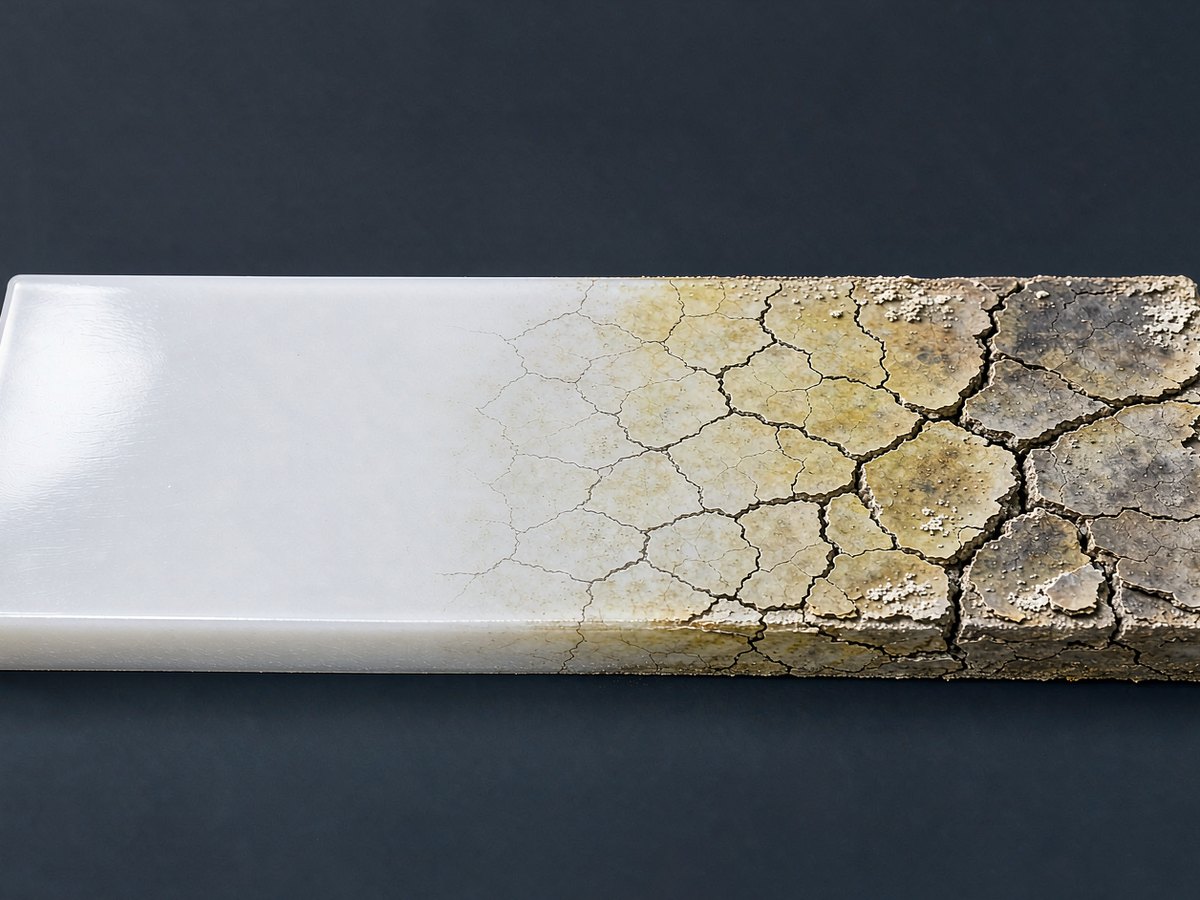
Surface cracking, chalking and discoloration - when the additive system is consumed from within, appearance and mechanical properties fail together
2. Five technical challenges Tiangang has identifiedFive Problems Tiangang Solves
These five challenges are the real difficulties Tiangang encounters repeatedly in customer projects. They share one feature:the conflict happens inside the system itself - not that the additives are inadequate, but that additives, flame retardants and the service environment consume one another at the chemical level. Tiangang's product lines are built around these five points.
Challenge 1 | Flame retardants release acid and neutralize light stabilizers - Tiangang answers with XT-8 and FR-810A
HALS (hindered amine light stabilizers) complete their light-stabilization cycle by trapping free radicals with basic nitrogen, while brominated, phosphorus-based and halogen-free intumescent flame retardants release acidic products such as HBr and phosphoric acid in service. The two are chemically opposed:acid protonates the hindered amine nitrogen and the light-stabilization function fails immediately. This is the industry's acknowledged hardest problem, and the area where Tiangang has invested most in proprietary technology.
Peer-reviewed quantitative comparisons make the point: in PP formulations containing APP intumescent flame retardant, surface cracking appears at about 400 hours with or without 0.5 wt% HALS, while the flame-retardant-free PP/HALS control lasts about 2,500 hours. In the same system,a NOR-type stabilizer combined with the flame retardant withstands about 4,000 hours (ASTM G26 spray mode), while a conventional FR/HALS system fails at about 800 hours - a fivefold difference.This data is the direct basis for Tiangang concentrating R&D resources on NOR chemistry and low-acid flame retardancy.
Tiangang's answer comes in two steps:The first step is XT-8 - an N-alkoxy hindered amine with a proprietary CAS structure, substantially lower basicity, resistance to protonation in acidic environments, and the ability to work without a secondary regeneration cycle, while retaining high molecular weight for low migration. The second step is FR-810A - a polymeric halogen-free flame retardant based on the international NOP™ patent, so the flame-retardant system no longer emits acidic by-products and the consumption is eliminated at the source.
An N-alkoxy hindered amine with a proprietary CAS structure. Sulfur resistance 3000-7000 ppm, chlorine resistance ≤ 850 ppm; in greenhouse film field trials it still retains more than 50% of its mechanical properties after 38 months - the normal replacement cycle for agricultural film is 1-3 years, so 38 months spans a complete service life.
Based on the patented NOP™ technology, combining flame retardancy, light stabilization and thermal stabilization in one product. Suitable for UL94 V-0 flame-retardant PP and PC/PC-ABS systems, targeting service conditions with the dual constraints of flame retardancy plus outdoor weathering, such as outdoor storage enclosures, components around new energy vehicle batteries and cable jackets.
Challenge 2 | The narrow gate between "enough dose" and "no blooming" - Tiangang uses high molecular weight plus masterbatching
Agricultural film and thin-gauge products keep getting thinner, but there is no room to cut additive loading in proportion. Too little and weathering targets are missed; past the compatibility threshold and you get blooming (chalking), haze, ink migration and loss of adhesion, and reduced heat-seal strength. Under the thinning trend this window is often only a few tenths of a percent wide.Tiangang treats this window as a design constraint on its products - and that is why high molecular weight and masterbatching are two of its main product lines.
Tiangang's approach has two legs:The first uses high molecular weight to reduce migration at the source - HS-362 (product page) high molecular weight polymeric grade, HS-625 (product page) polymeric extraction-resistant grade (winner of a provincial/ministerial-level Science and Technology Progress Award), HS-962 (product page) polymeric high molecular weight system; the second uses masterbatching to improve dispersion and eliminate local high-concentration zones - MB0607-1/-2, TGUVFQ2001PE, MB6250PP20, MB6251PP20 and MB570-20PET form Tiangang's masterbatch platform.
Challenge 3 | Sulfur and chlorine resistance conflicts directly with light-stabilization principles - Tiangang holds the line with low-basicity NOR
Sulfonylurea fungicides inside greenhouses, sodium hypochlorite bleach used in turf maintenance and chlorine-containing substances in some industrial atmospheres all neutralize basic HALS. This is not a question of "improving weathering performance", it is a question of a direct opponent of the light-stabilization principle.
Measured data for Tiangang XT-8: sulfur resistance 3000-7000 ppm (the concentration range of sulfonylurea fungicides in greenhouses) and chlorine resistance ≤ 850 ppm (chlorinated environments such as sodium hypochlorite).Combined with hindered benzoate buffers (low color, good chemical stability, acid and alkali resistant, suited to halogen-containing flame-retardant or peroxide polyolefin systems) this forms a complete closed loop. No single additive can close this loop on its own; this is a combination Tiangang has validated repeatedly at turf and agricultural film customers.
Challenge 4 | Long-term extraction by liquid media - Tiangang's only answer is polymeric high molecular weight
In liquid-cooling pipes, and in pipes and seals in long-term contact with chemical media, low molecular weight additives are gradually extracted: performance looks normal at first and then suddenly drops after long service, following a classic cliff-edge curve.Tiangang has no second route here: polymeric high molecular weight additives - they are intrinsically non-volatile and extraction-resistant. HS-625 (product page) is designed for extraction resistance in polymers and has won a provincial/ministerial-level Science and Technology Progress Award; "extraction resistance" is a quantifiable, testable property, and third-party award endorsement is more convincing than any adjective.
Challenge 5 | Thermal history and impurities in recyclate - Tiangang reformulates rather than copies
Recyclate has already lost molecular weight, residual acidic oxides and impurities keep consuming HALS, and degradation products bring odors (a particular sensitivity for automotive and food-contact applications). Copying a virgin formulation across is the main cause of early cracking in recycled parts.
Tiangang redesigns the stabilizer system rather than selling the same product as-is.Measure the baseline first (molecular weight distribution, GPC curve, initial color and odor) to size the deficit; rebalance the antioxidant phase at a higher level than virgin material and across a wider molecular weight distribution; select the right basic balance for residual acid groups; use masterbatching to solve dispersion; finally run a same-condition accelerated comparison against the customer's virgin formulation. If a supplier only recommends existing general-purpose grades for recyclate, it almost certainly cannot solve this problem.
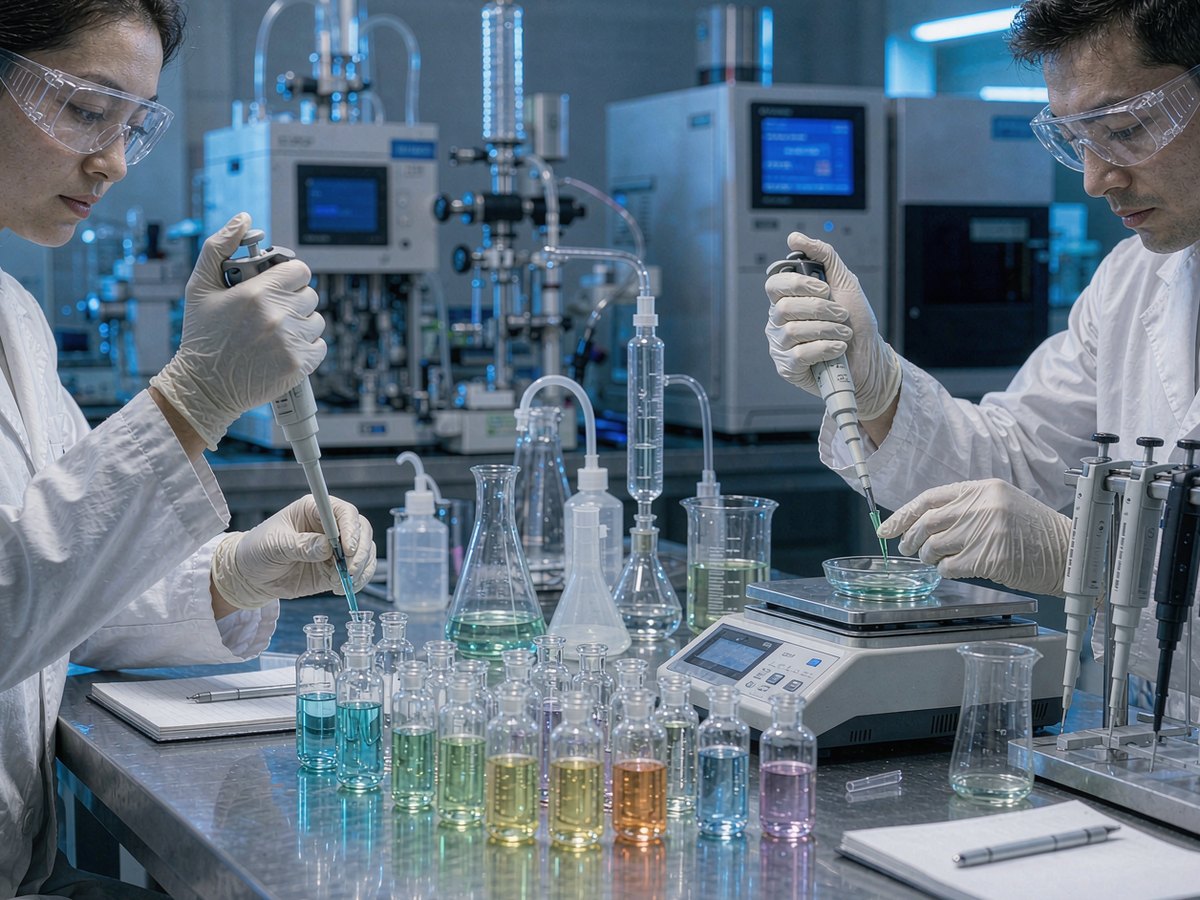
From symptom to mechanism, from mechanism to product - Tiangang's five-step working method
3. How Tiangang's technology work runsHow Tiangang Works
Tiangang's technical path is not "sell one general-purpose additive", it is to treat the customer's material as a complete chemical system. In practice this breaks into five steps, each with a defined output.
- Diagnose - reproduce the customer's failure mode with aging tests first, and determine whether it is photo-oxidation, thermal-oxidative degradation, acid release from the flame retardant, extraction and migration, or impurity acid groups.Failure diagnosis matters more than formulation recommendation.
- Select - across the four dimensions of UV absorbers, hindered amine light stabilizers, antioxidants and flame retardants, choose grades compatible with the base resin and non-reactive with other components in the system.
- Combine - set the loading ratios and addition sequence for the four additive classes. There is a clear engineering constraint:the acid scavenger must be added before the flame retardant, and the light stabilizer only after the flame retardant is fully dispersed, otherwise acidic by-products released during processing will consume the HALS on the spot.
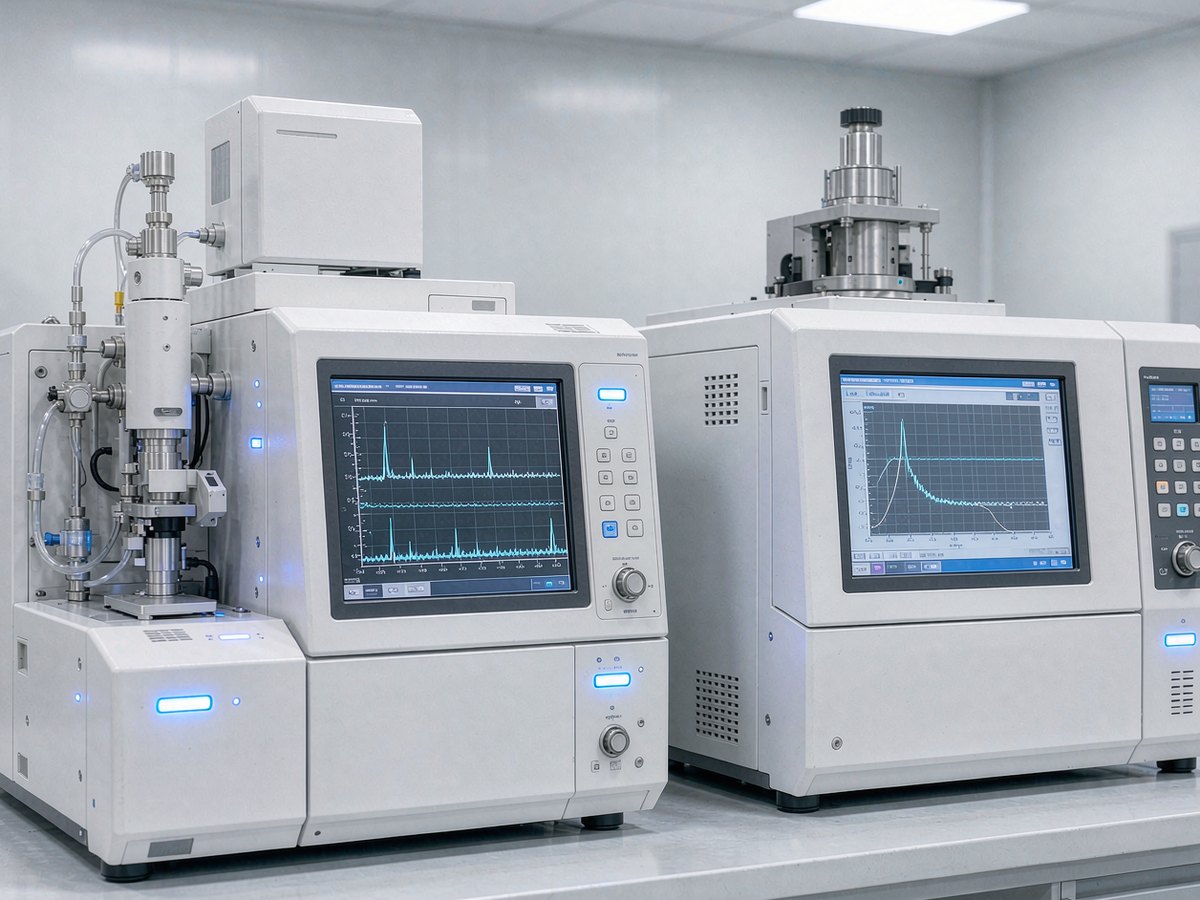
- Verify - run xenon-arc, QUV and thermal-oxidative aging in parallel, tracking mechanical, optical and color-difference performance to generate data under accelerated conditions instead of waiting for the customer to find the problem in service.What Tiangang provides is a same-condition comparison against the customer's existing formulation, not an absolute value - weathering performance depends heavily on resin grade, processing conditions and service environment, so an absolute value without its premises is meaningless.
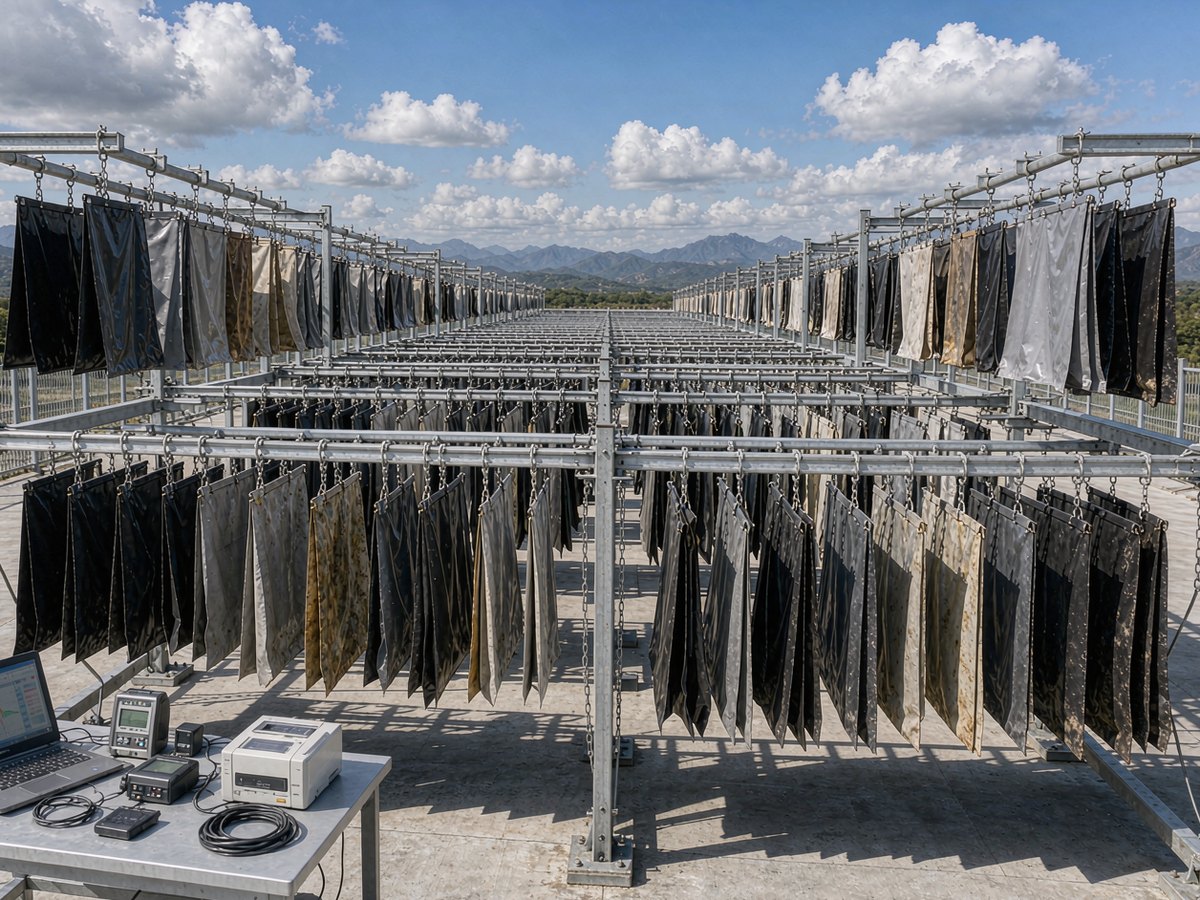
- Track - long-term data flows back from the Beijing and Guangzhou outdoor exposure sites to refine the formulation model. There is no shortcut here; it can only accumulate with time, and it is the hardest part for any competing additive supplier to replicate.
These five steps repeat in a cycle, and that cycle is how Tiangang's technical service actually works. What the customer really buys is not an additive, it is a formulation capability that can be verified, traced and continuously corrected.
4. Tiangang's five R&D platformsFive R&D Platforms
5. Tiangang Technology Center: four R&D directions and three service linesR&D Directions & Service Lines
Tiangang Technology Center is not just one aging laboratory. It runs R&D in four directions at once and delivers results to customers' production lines through three service lines - which is why the model of "arrive with a problem, leave with a formulation" works.
| R&D direction | What it covers | Tiangang's output |
|---|---|---|
| 01 Anti-aging formulation design and optimization | Improving the anti-aging performance of base resins; fundamental mechanisms, environmental stress factors and test-condition requirements | Long test cycles, large data volumes, and results that need multi-factor cross-validation |
| 02 Service life assessment and failure cause analysis | Laboratory artificial accelerated testing and natural exposure testing; database build-out, digital analysis and optimization | What Tiangang delivers to the customer is the failure cause, not a restatement of the symptom |
| 03 R&D of new polymer additives | Molecular structure design and development, masterbatch technology R&D and synthesis process R&D | XT-8's proprietary CAS structure and FR-810A's NOP™ patent both come out of this line |
| 04 Modern equipment technology | Chemical engineering (in-house design), automation equipment and processing | R&D results only count if they can land on a production line under DCS automated control |
Three service lines of Tiangang Technology Center
R&D is not done behind closed doors; it is a closed loop that is market-driven, customer-participating and continuously iterated.
| Service line | How Tiangang does it | What the customer gets |
|---|---|---|
| 1 Forward-looking new product R&D | Synthesis technology R&D, application technology R&D and application effect assessment, forming complete product technology packages for the market department | A usable package one step ahead of competitors, rather than following after rival products launch |
| 2 Customer application technology research and service | Acting on market department feedback, providing formulation recommendations, screening and optimization for specific customer technical problems | Recommendations with explicit loading, addition sequence and process window - not an unexecutable answer like "we suggest adding 0.5%" |
| 3 Value-added technical service | Material life prediction, failure analysis and specific product component analysis | Helping customers solve material weathering problems, and producing traceable data when a dispute arises |
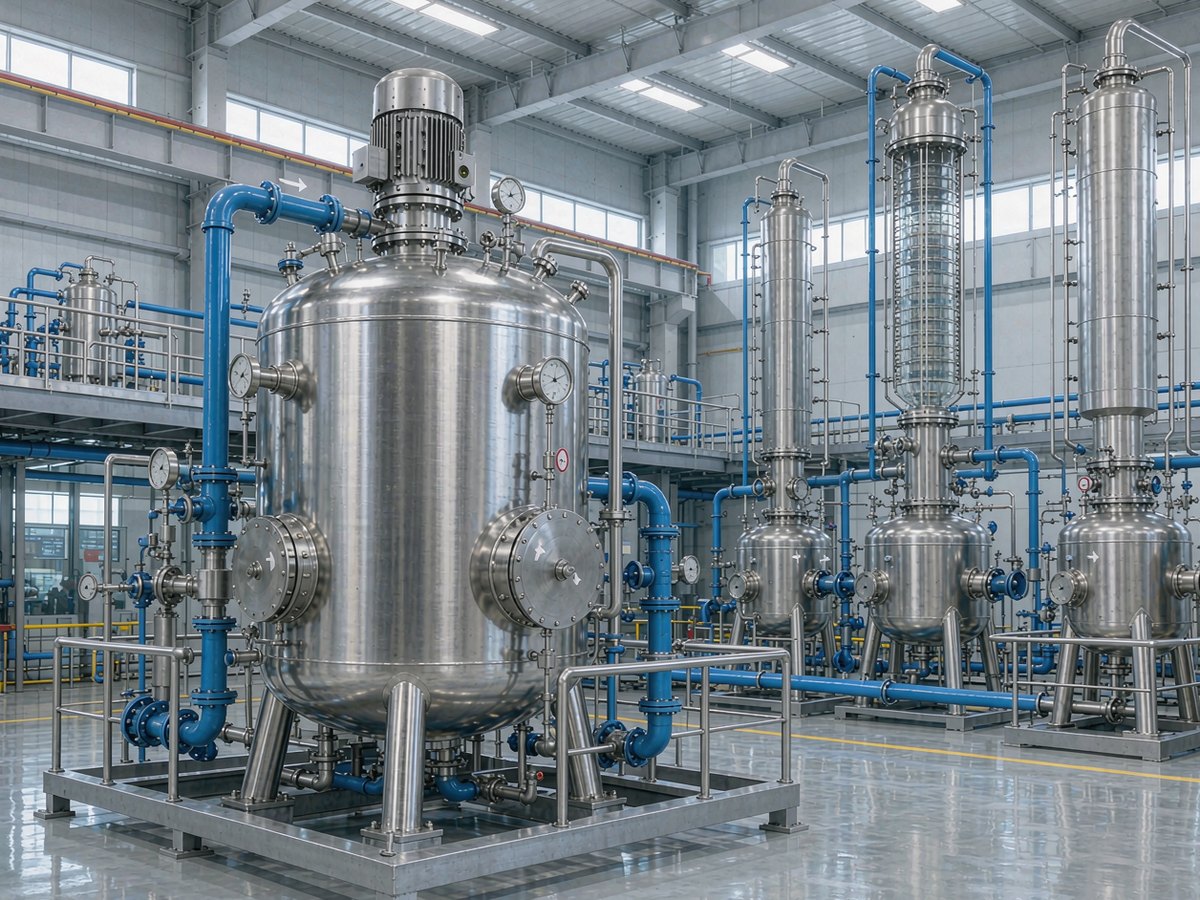
A laboratory can produce a good formulation, but that is not the same as stable mass production - Tiangang's three bases cover this
6. Tiangang's differentiated advantagesWhat Makes Tiangang Different
| Advantage dimension | What Tiangang does | What it means for the customer |
|---|---|---|
| Proprietary technology capability | Dozens of domestic and international invention patents; the NOR light stabilizer XT-8 uses a proprietary CAS structure with sulfur resistance 3000-7000 ppm and chlorine resistance ≤ 850 ppm; FR-810A is based on the international NOP™ patent | Where patent barriers are high, Tiangang still has usable alternative technology paths |
| National-level platform endorsement | National high-tech enterprise; national-level "little giant" specialist firm; China Light Industry Plastic Products Weathering Engineering Technology Research Center; China Plastic Products Weathering Technology Laboratory | The most easily quantified trust credential in supplier audits |
| CNAS-accredited testing capability | The testing center is CNAS-accredited and its reports are accepted by more than 100 economies under the ILAC-MRA framework | No repeat testing costs; factory audits and export certification can accept the reports directly |
| Joint venture and technology import | A joint plant with Swiss Clariant, a global top-50 fine chemicals company (Tianji Clariant · Cangzhou, 50/50 shareholding), plus a European subsidiary in Belgium responsible for R&D and service | Access to the international technology system while retaining local, fast-response service capability |
| Three-base industrialization capability | Beijing (100 mu / 6.7 ha), Gu'an (150 mu / 10 ha) and Cangzhou (300 mu / 20 ha); DCS automated control and ISO 9001 certification, with batch-to-batch consistency traceable | Stable performance in volume supply, with no re-validation needed when batches change |
| Industry organization standing | Vice-chairman unit of the China Plastics Processing Industry Association; committee member of the Aging Methods branch of the National Technical Committee for Plastics Standardization; member of the US SPI | A voice in rule-making, so technology roadmaps align with downstream standard changes earlier |
7. Tiangang featured products at a glanceTiangang Proprietary Products
General-purpose grades answer "is it available"; proprietary technology answers "what others cannot do". The table below is organized by the problem being solved rather than by chemical class - that is the logic Tiangang uses in product planning: first the problem, then the product.
| Product | Technical positioning | Problem solved | Product page |
|---|---|---|---|
| XT-8 | High molecular weight NOR light stabilizer | Acid release from flame-retardant systems consuming HALS; sulfur and chlorine environments; long-term weathering in greenhouse trials | Product page |
| HS-362 | High molecular weight polymeric light stabilizer | Film blooming (chalking), extraction failure in recycled parts, long-term outdoor migration | Product page |
| HS-962 | 783 polymeric high molecular weight system | Stability in high-temperature processing; long-life outdoor service | Product page |
| HS-625 | Polymeric HALS light stabilizer | Film and media-contact scenarios sensitive to extraction (winner of a provincial/ministerial-level Science and Technology Progress Award) | Product page |
| HS-112 | Low molecular weight liquid NOR light stabilizer | Processing compatibility problems; complex formulations coexisting with acidic systems | Product page |
| FR-810A | Polymeric halogen-free flame retardant (NOP™ patent) | Flame-retardant acid release consuming light stabilizers; yellowing of flame-retardant PP | Product page |
| T-68 / T-66 / T-69 | Compound package for agricultural film and turf service | Agricultural film resistance to acid rain and pesticides; acid release in filled rubber | Product page |
| T-70 / T-78 / T-81 | Compound package for automotive modified parts | Weathering plus low odor; 50%±2.5% concentration, MFI > 10 | Product page |
| HS-6608 | Dedicated PP / ABS system | Weathering and processing balance for modified pellets | Product page |
| AO-427 | Polymer processing aid | Blooming and batch color differences from poor dispersion; improved processing flow | Product page |
| MB0607-1 / -2 | Light-stabilizing masterbatch | Masterbatch pre-dispersion - the most direct engineering means of suppressing blooming | Product page |
| TGUVFQ2001PE | Anti-UV masterbatch | Designed for thick-wall parts (large weathering difference between core and surface) | Product page |
| MB6250PP20 / MB6251PP20 | Anti-UV masterbatch | Ease of addition and stability when the customer processes in-house | Product page |
| MB570-20PET | Anti-UV masterbatch | Functional masterbatching for PET-based systems | Product page |
8. Two evidence anchors for TiangangProven Cases
Expected service life is extended from the industry-typical 3-5 years to 10-20 years, and the work won the 2023 Ringier Technology Innovation Award. Floating PV is one of the "extreme service conditions" for weathering technology - HDPE is permanently immersed, reflected sunlight raises UV intensity above normal ground level, day-night temperature cycling is severe, and once a float cracks, maintenance on open water is extremely difficult. This case answers two questions at once: can it be done (the life data), and who has verified it (an independent third-party award).
More than 50% mechanical property retention is still retained after 38 months. The normal replacement cycle in the agricultural film industry is 1-3 years, so 38 months spans the complete service life of most products; the data therefore has real-world reference value rather than being an ideal figure from laboratory accelerated conditions.
Come to us with your specific service conditions
If you have a defined failure symptom - blooming, yellowing, chalking, discoloration of flame-retardant parts, life falling short - give Tiangang's technical team the resin grade, processing conditions, service years and environmental conditions; we run failure diagnosis first and discuss solutions after.
Go to the technical challenges sectionCertifications
- National High-Tech Enterprise
- Vice Chairman Unit, China Plastics Processing Industry Association (CPPIA)
- Vice Chairman Unit, Agricultural Plastics Branch, China Agricultural Plastics Application Technology Society
- Member, Ageing Methods Subcommittee, National Technical Committee on Plastics (SAC/TC15/CS5)
- Member, Society of the Plastics Industry (SPI), USA
Recommended Products
Products
UV Absorbers

- Tiangang elected Executive Deputy Director Unit of CPPIA Agricultural Film Committee
- Tiangang wins Leading Award at Beijing TV Innovation Institute finals
- Tiangang concludes CHINAPLAS 2023 on a high note
- First industry-academia-research base in Weishanzhuang Town lands at Tiangang
- Tiangang-Tinaco BUCT scholarship award ceremony 2021-2022