Photovoltaic Additives: Weathering, PID and Flame-Retardancy Solutions
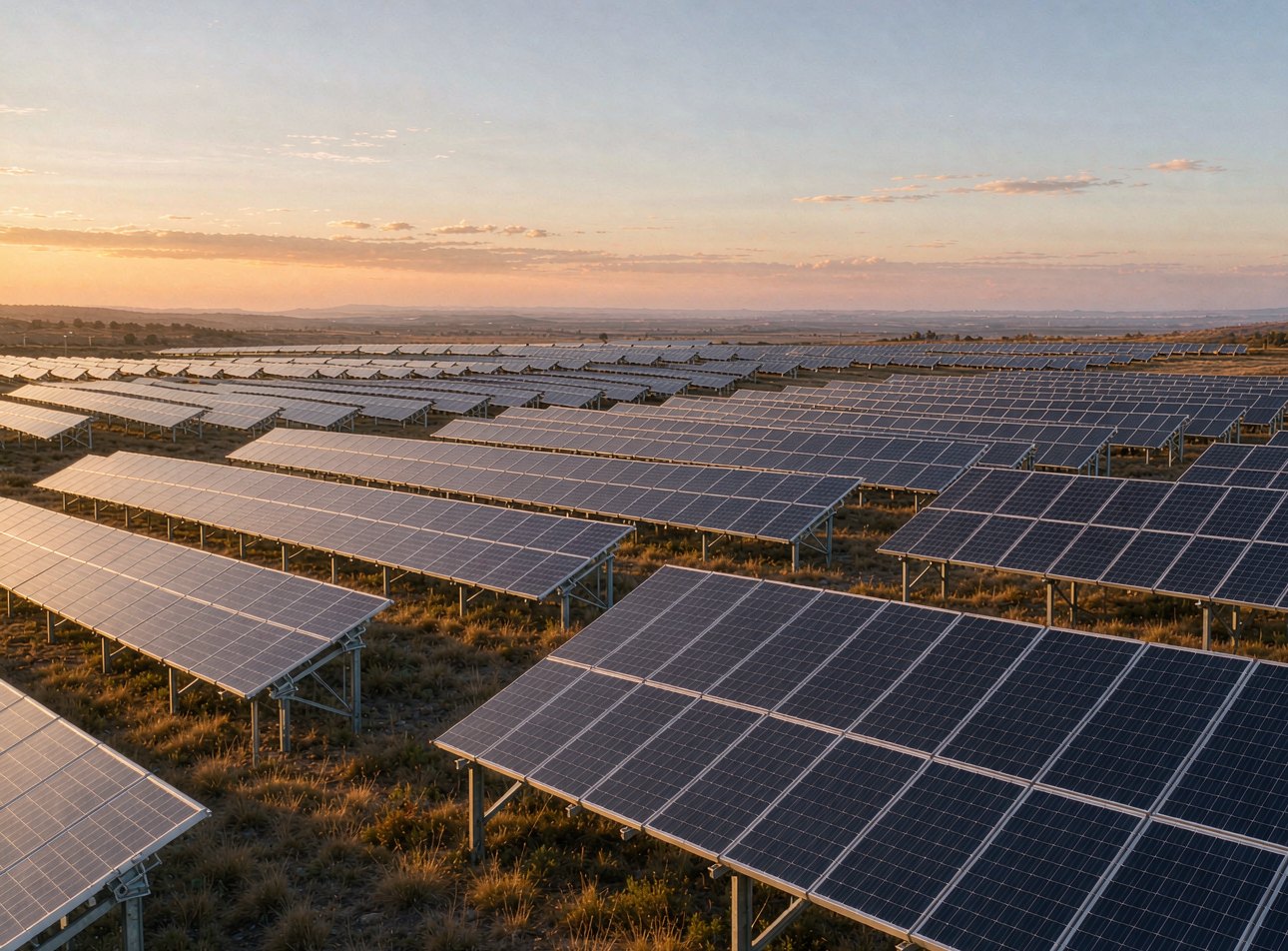
Global PV installed capacity keeps growing, module design life is 25-30 years, and the outdoor weather resistance of polymer materials has become a key variable in whole-lifecycle reliability
The design life of PV modules is generally 25-30 years, and during this period the four polymer materials - encapsulant film, backsheet, cable and sealant - must continuously resist the combined effects of UV, high humidity and temperature, PID voltage, flame-retardancy requirements and processing heat history. The cost share of additives in these materials is usually less than 1%, yet it directly determines the power-retention rate, yellowing/delamination and safety-incident rate 25 years later. Tiangang's product layout in this field covers the full chain of UV absorbers, hindered-amine light stabilizers, antioxidants and polymeric halogen-free flame retardants, and forms a complete solution across five scenarios: EVA film, POE film, fluorinated backsheet, PV cable and module sealant.
I. Four real demands of the PV industry on additivesWhat Solar Additives Actually Solve
Looking at the three accounts of cost, life and liability, PV additives are fundamentally different from ordinary plastic additives: they are not an 'improve durability a bit' additive, but functional materials that determine whether the 25-year warranty can be honored.
| Demand dimension | Industry status | Specific requirements for additives |
|---|---|---|
| Long-term outdoor UV aging | Module life 25-30 years; the annual cumulative UV dose is on the order of 600-1200 kWh/m2 of lab accelerated aging | The absorber must cover 290-400 nm fully and be light-stable; the hindered amine must be low-volatility, low-migration, extraction-resistant, and not bleed out to contaminate the silicon wafer |
| Yellowing control | The rise of Delta YI of cells and encapsulant film over time is one of the main causes of module power decay | Must suppress the yellow quinone products generated by photo-oxidation; the synergistic effect with residual acetic acid in EVA must be evaluated |
| PID resistance (potential-induced degradation) | High electric field between positive and negative poles + hot-humid environment drives ion migration and weakens the passivation layer | Effectively scavenge or immobilize carriers (electrons/ions), reducing interface carrier density |
| Flame retardancy and weather resistance coexist | IEC 61215 / IEC 61730 set flame-retardancy grades for cables, junction boxes, etc. | Low addition achieves UL94 V-0/V-1; halogen-free, low-smoke, low-toxicity; the flame retardant itself must not impair weather resistance or electrical properties |
II. Four technical challenges: why UV absorbers alone are not enoughFour Technical Challenges
Challenge 1 | The absorber is 'used up when exhausted' - the light stabilizer has a consumption life
Benzotriazole UV absorbers are consumed by capturing UV and forming quinone-type intermediates; one molecule can only 'sacrifice' once. Under 25 years of long-cycle outdoor exposure, relying solely on absorbers causes a 'cliff-like' decay of 'effective early, failed late.'
Challenge 2 | The real mechanisms of yellowing and PID
The yellowing of EVA encapsulant film is not caused simply by UV, but bythe yellow quinone products generated by photo-oxidationthe combined effect of residual vinyl acetate and acidic byproducts; while PID is carrier (electron or ion) migration driven by the electric field to the silicon-wafer passivation-layer interface, weakening passivation and intensifying recombination. The superposition of the two manifests as the non-linear power decay of the module.
Challenge 3 | Superposition, not substitution - the UVA + HALS synergistic system
The hindered-amine light stabilizer (HALS) acts throughexcited-state quenchingandhydrogen-donor regeneration cycleto function; it does not consume itself but regenerates within the reaction cycle, theoretically enabling durable protection. But the UVA preferentially absorbs 290-400 nm and converts it to heat, exactly protecting the HALS chromophore from photolysis - this is why the two mustbe used in combination; using either alone cannot achieve 25-year-level protection.
Challenge 4 | A material with extremely low cost and extremely low fault tolerance
Additives account for less than 1% of module BOM cost, but once they fail, what is lost is the 25-year warranty liability of the entire module. This determines the PV customer's selection logic:look not at unit price but at long-term data, at batch consistency and at impurity control.
III. Tiangang's solution framework: a tri-synergy material stabilization systemTiangang Solution
Tiangang's PV additive solution is not the promotion of a single product, but a synergistic system built around'absorption + quenching + antioxidant + flame retardancy': the UV absorber keeps damage outside the system, the hindered-amine light stabilizer provides repeated in-system regenerative protection, the antioxidant cuts the oxidative chain cycle, and the flame retardant meets safety compliance without affecting the above three.
| Functional stage | Tiangang representative products | Mechanism of action in PV |
|---|---|---|
| UV absorption (first line of defense) | UV-326 / UV-328 / UV-234 / UV-360 Benzotriazole and triazine, chlorine-free absorbers | Selectively absorb 290-400 nm UV and dissipate it as heat, reducing photo-initiated chain oxidation |
| Light stabilization (in-system regeneration) | HS-944 / BW-10LD (light stabilizer 622) / HS-770 / HS-950 High-molecular-weight polymeric HALS, low-molecular-weight oil-soluble HALS | Excited-state quenching + hydrogen-donor regeneration, low volatility and low migration, extraction-resistant, preventing the additive from bleeding out |
| Antioxidation (cutting the chain reaction) | AO-1010 / AO-168 / AO-1076 / AO-B215 / AO-B225 | Primary antioxidant captures alkyl/peroxy radicals; phosphite secondary antioxidant decomposes hydroperoxides and protects the primary antioxidant |
| Flame retardancy (safety compliance) | FR-810A (polymeric halogen-free NOR) | Intumescent charring mechanism, addition of 0.2-1.2% achieves UL94 V-1/V-0; one agent serving both flame retardancy and light stabilization |
| Formulation engineering | HS-788 blended additive pack / MB-series functional masterbatches | Light stabilization and antioxidant pre-blended into a pack, reducing customer batching steps and batch variation |
IV. Tiangang's evidence: the service-life proof of floating PV pontoonsProven Field Data
Among the various PV application scenarios,floating photovoltaic power stations (FPV)is one of the scenarios that best demonstrates the value of material weather resistance: the pontoon is long-term immersed in water, subjected to UV and secondary reflection from the water surface, with high humidity and high temperature coexisting; if the HDPE substrate lacks sufficient stability, it will become brittle and crack within 3-5 years.
| Solution | Material system | Actual service life |
|---|---|---|
| No additive added (control) | HDPE pontoon substrate | about 3-5 years, with obvious embrittlement and cracking |
| Tiangang® HS-950 solution | HDPE substrate + high-molecular-weight hindered-amine light-stabilization system | about 10-20 years, meeting the full-lifecycle requirements of the power station |
This case won in 2023the 'Technology Innovation Award' from Ringier Trade Media. Its value lies not in the numbers themselves, but in proving the protective effectiveness of Tiangang's high-molecular-weight HALS under the harsh conditions of 'high humidity + strong UV + long-term water immersion' - and these three points highly coincide with the actual service environment on the back side of PV modules.
V. PV application sub-topicsApplication Topics
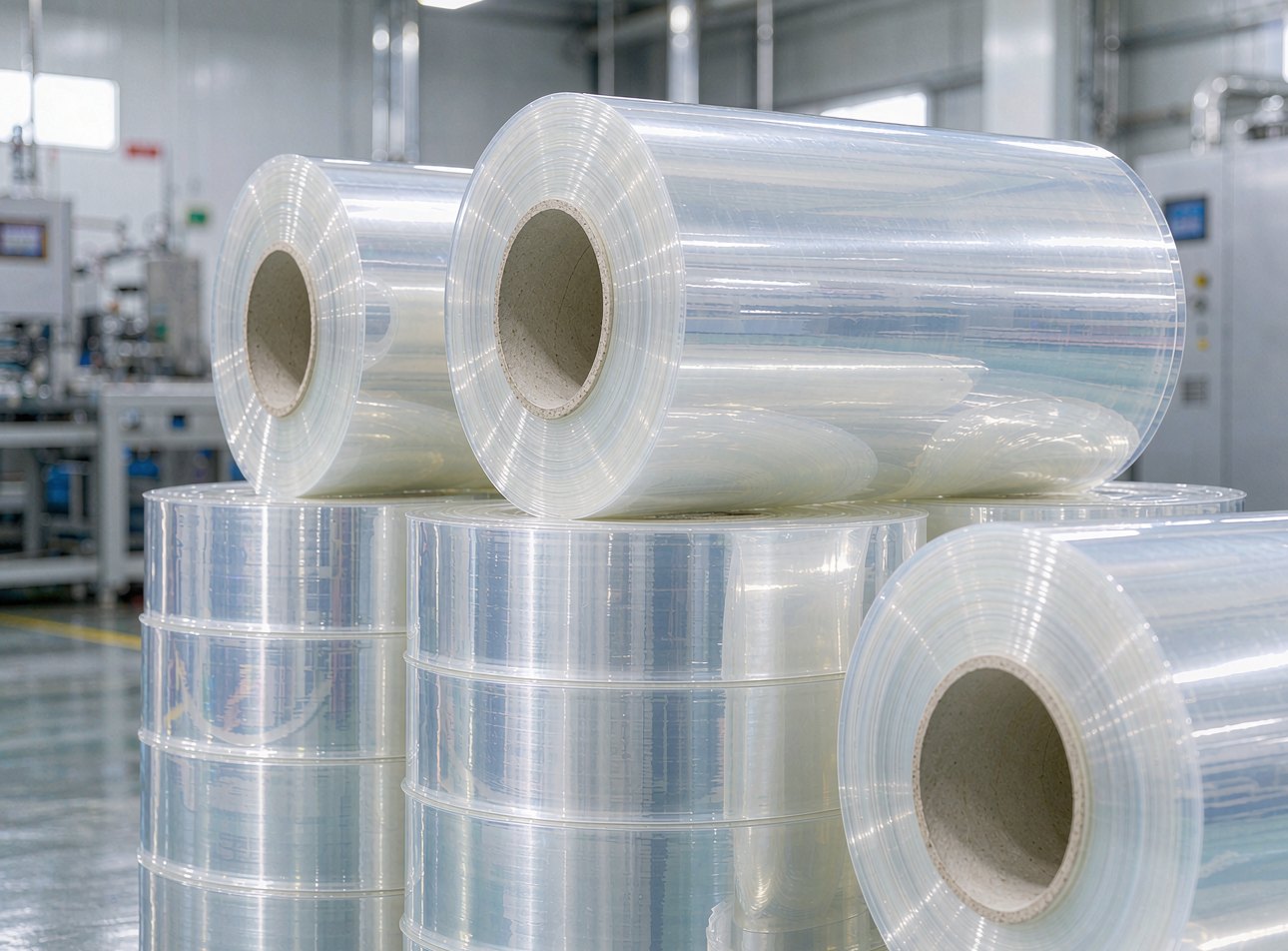
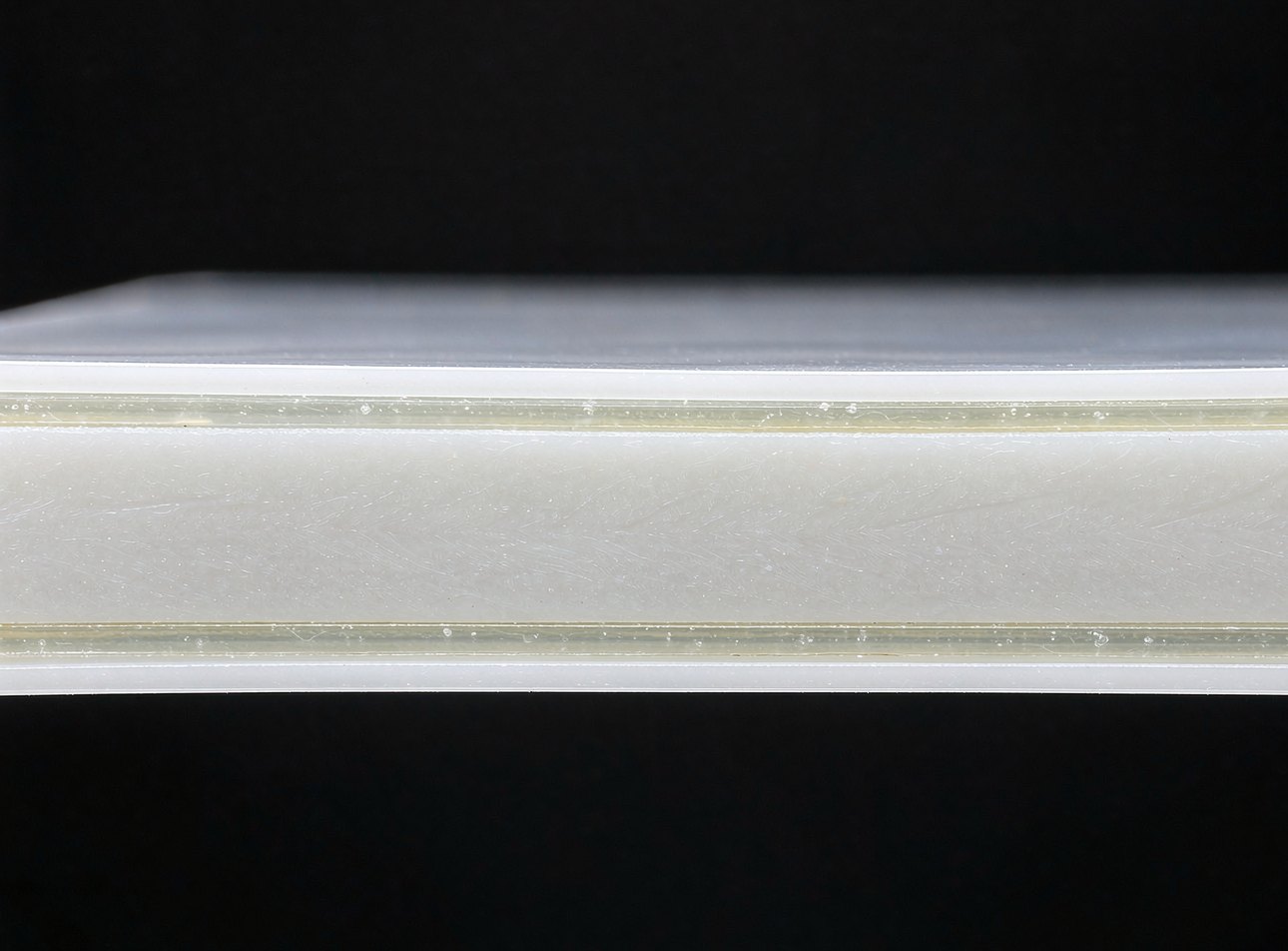
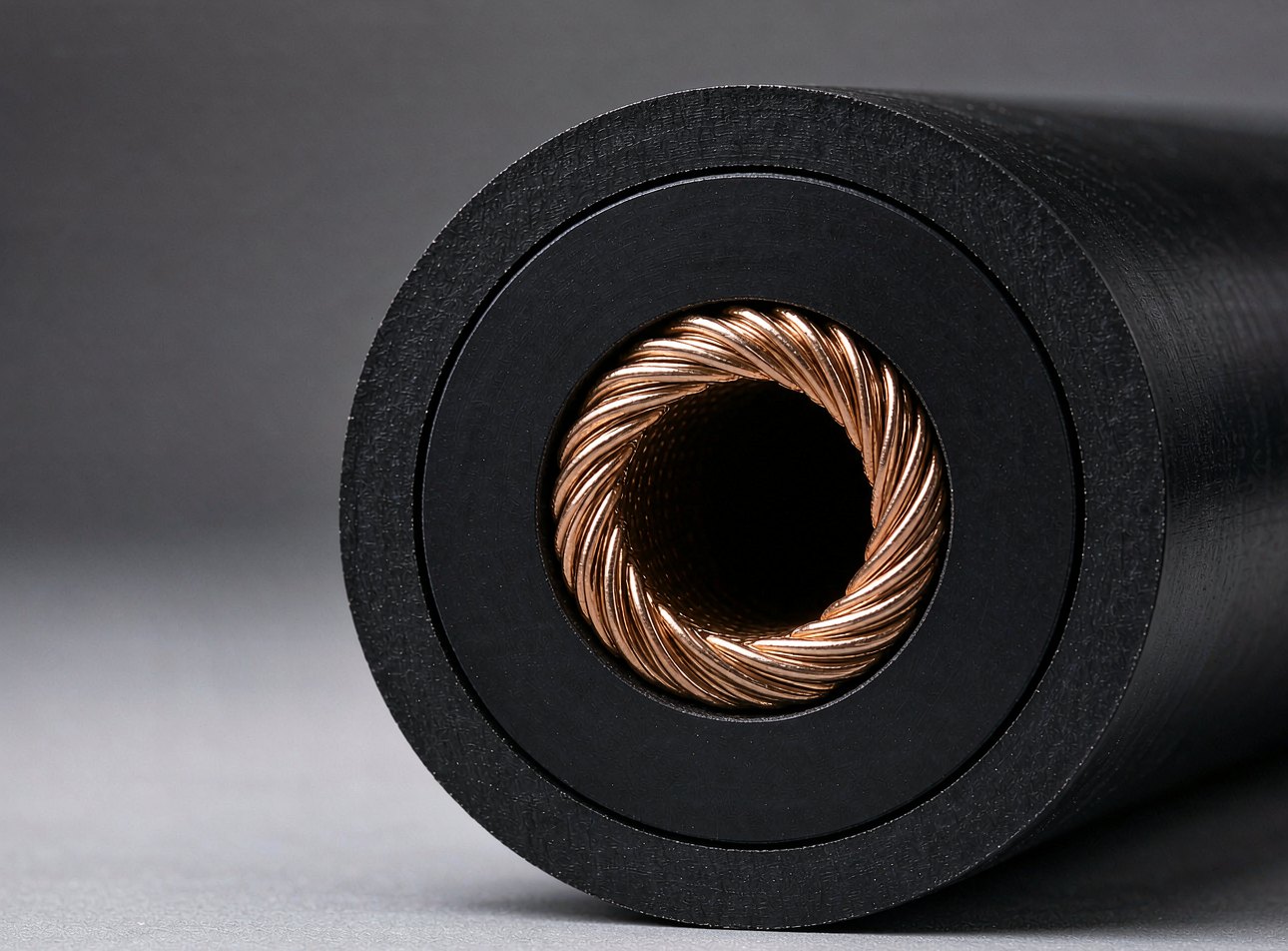
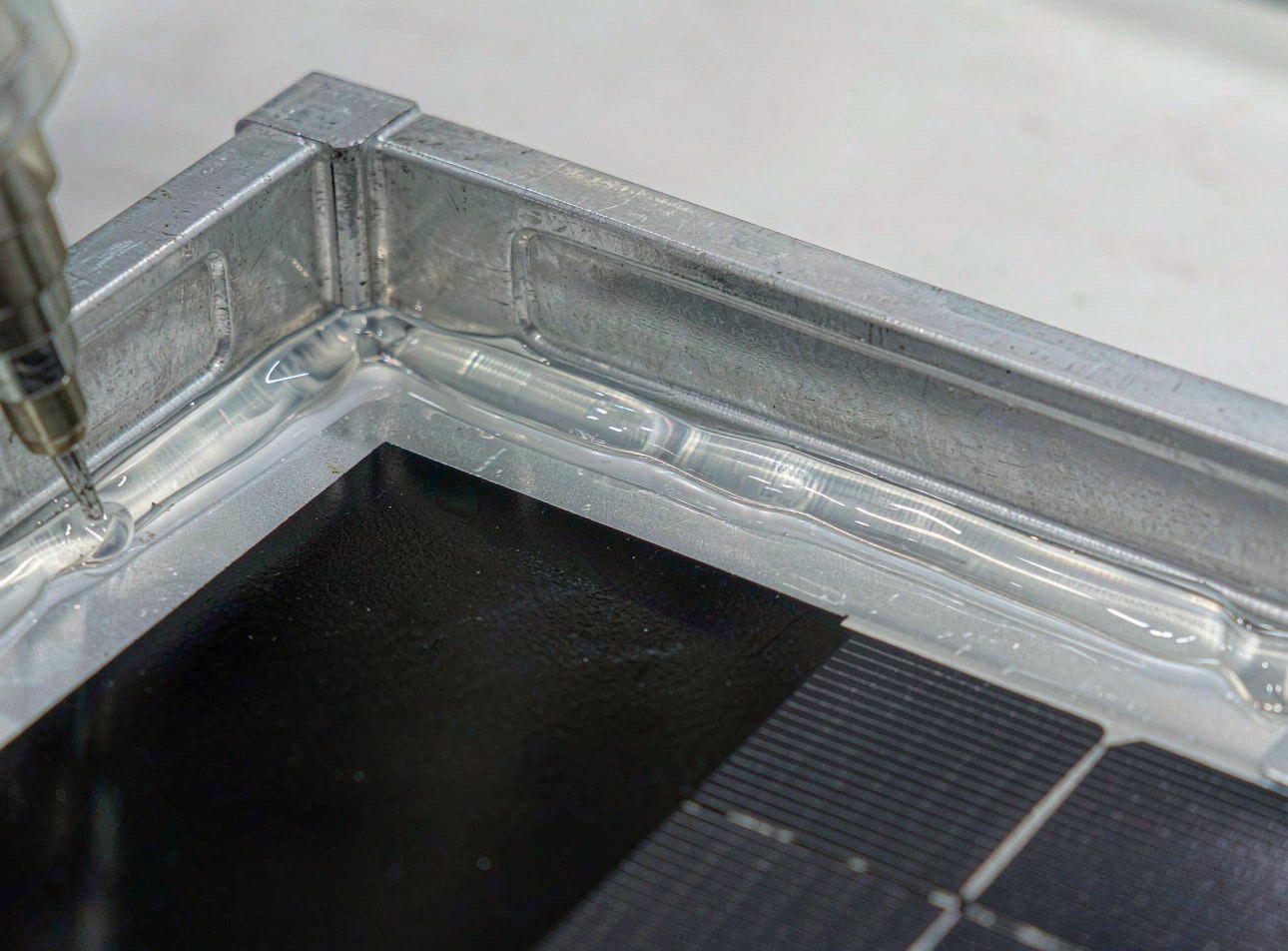
The five sub-topics below correspond to the material stages with the largest additive usage and the strictest verification requirements in PV modules. Click to enter for detailed technical analysis and recommended formulations.
VI. Why choose TiangangWhy Tiangang
Self-owned high-molecular-weight polymeric HALS system
HS-944, BW-10LD (light stabilizer 622) and others are truly high-molecular-weight polymeric structures, with low volatility, low migration and extraction resistance, avoiding the migration/bleed-out and wafer contamination of small-molecule additives during long-term service - this is the certainty brought by sharing the same high-molecular-weight technology platform from agricultural film to PV.
Extension from additives to formulation engineering
The HS-788 blended additive pack and MB-series functional masterbatches pre-position the light-stabilization and antioxidant logic at the front end of the customer's process, reducing batch variation from customers' own batching, directly valuable to PV customers pursuing long-term consistency.
PV-specific proven endorsement
The 10-20 year life proof of floating PV pontoons and the 38-month shed-aging mechanical retention above 50% of XT-8 agricultural film are both traceable third-party or publicly reported data, not short-term lab accelerated data.
Local service and rapid prototyping
The Beijing plant is close to major domestic film, backsheet and cable customers, with short formulation-adjustment and lab-scale prototyping cycles, adapting to the frequently iterating product pace of the PV industry.
VII. Frequently asked questionsFAQ
Q: Can Tiangang's light stabilizers be used directly in PV EVA encapsulant film?
A: High-molecular-weight polymeric HALS (e.g., HS-944, BW-10LD) already have a mature application base in polyolefin and EVA copolymer systems, but PV encapsulant film's requirements for yellowing (Delta YI) and light transmittance are significantly higher than ordinary agricultural film, so yellowing and accelerated-aging verification must be done for the specific formulation. Tiangang can provide supporting lab-scale and verification plans.
Q: PV backsheets can use fluorinated systems, so why discuss UV resistance?
A: The fluorinated top layer itself has excellent weather resistance, but the backsheet is a multi-layer co-extruded composite structure, and the PET substrate, adhesive layer and inter-layer interfaces remain weak points. The value of the UV-resistant system lies in protecting the non-fluorinated layers and interfaces, and this value rises especially under the fluorine-free and low-fluorine trends.
Q: Will the flame retardant impair the weather resistance of the flame-retardant system?
A: Yes - this is the core consideration in selection. Tiangang's FR-810A adopts a polymeric NOR structure and itself combines flame-retardant and light-stabilization functions, using a 'one-agent dual-use' structural design to avoid the negative impact of traditional inorganic flame retardants on mechanics and weather resistance.
Q: Can Tiangang provide PV-specific blended additive packs?
A: Yes. The HS-788 blended additive pack is a 'light stabilization + antioxidant synergy' pre-mixed system; if a customer needs a customized formulation, they can jointly determine the plan with Tiangang's technical team on resin system, processing technology, climate region and verification goals.
Whether you are a film plant, backsheet plant, cable plant or module maker, if you are doing weather-resistance formulation verification, or have encountered problems where yellowing, PID, flame retardancy and weather resistance are hard to reconcile, please send us your resin system and process conditions; Tiangang's technical team will provide actionable formulation recommendations and verification plans.
Contact Tiangang's technical team ->Certifications
- National High-Tech Enterprise
- Vice Chairman Unit, China Plastics Processing Industry Association (CPPIA)
- Vice Chairman Unit, Agricultural Plastics Branch, China Agricultural Plastics Application Technology Society
- Member, Ageing Methods Subcommittee, National Technical Committee on Plastics (SAC/TC15/CS5)
- Member, Society of the Plastics Industry (SPI), USA
Recommended Products
Products
UV Absorbers

- Tiangang elected Executive Deputy Director Unit of CPPIA Agricultural Film Committee
- Tiangang wins Leading Award at Beijing TV Innovation Institute finals
- Tiangang concludes CHINAPLAS 2023 on a high note
- First industry-academia-research base in Weishanzhuang Town lands at Tiangang
- Tiangang-Tinaco BUCT scholarship award ceremony 2021-2022