Light Stabilizers, Antioxidants and Flame Retardants: Application Solutions for the Textile Industry
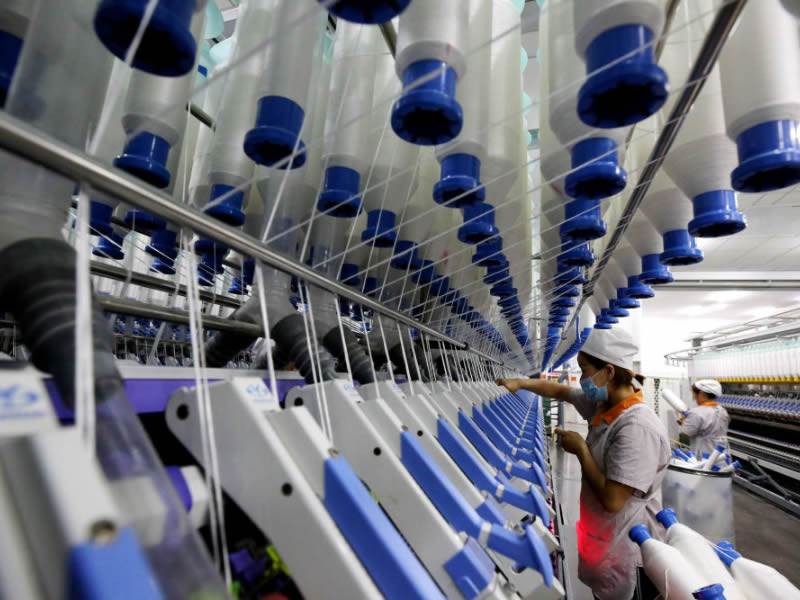
Textile Industry Additive Solutions · Light Stabilizers / Antioxidants / Flame Retardants / Functional Masterbatches
From outdoor tents and automotive interiors to medical nonwovens and sports swimwear, textiles face the three major tests of "light resistance, heat resistance and flame retardancy" throughout their life cycle. Beijing Tiangang Auxiliaries has been deeply engaged in hindered amine light stabilizers (HALS) and synergistic additives for more than thirty years, and combining two technology routes - polymeric high molecular weight and low-alkalinity NOR - provides integrated solutions of "formulation design - masterbatch supply - processing guidance - aging testing" for nylon, polyester, polypropylene, spandex, nonwovens and other substrates. This article breaks down the weather-resistance and aging challenges of the textile industry by substrate, and gives Tiangang's recommended product combinations and typical formulations.
1. Why the textile industry cannot do without high-performance additive protection
According to data from the China National Textile and Apparel Council, China's chemical fiber output exceeded 70 million tons in 2024, with polyester, nylon, polypropylene and spandex - the four major synthetic fibers - accounting for more than 95% of market share; at the same time, the penetration of functional, differentiated and green fibers is growing at an average annual rate of 8%-10%. End-use scenarios are extending from "wearing comfort" totechnical textiles: automotive interiors, safety protection, geosynthetics, medical and health, outdoor equipment, and new energy (PV backsheet films, battery separators). Each new scenario places more specific demands on additives for weather resistance, anti-yellowing, flame retardancy and processing stability.
Textile fibers are mainly attacked by three types of factors in outdoor, processing and use environments:
- Photo-aging: solar ultraviolet rays (UVA 315-400 nm, UVB 280-315 nm, UVC 100-280 nm) break polymer molecular chains and trigger radical chain reactions, causing fiber strength loss, yellowing, powdering and dye fading;
- Thermo-oxidative / processing aging: polyester, nylon, polypropylene and spandex are prone to thermo-oxidative degradation during high-temperature steps such as spinning, weaving and dyeing-and-finishing (200-320°C), affecting spinnability and filament color;
- Chemical attack: acidic substances such as flame retardants (halogenated / phosphorus-nitrogen), agricultural chemicals, sweat, pool disinfectants and automotive interior volatiles neutralize HALS, causing it to lose its light-stabilizing activity.
A single ultraviolet absorber (UVA) can only "block" part of the UV and cannot remove radicals already generated; a single hindered amine light stabilizer (HALS), while able to continuously "clean up" radicals, is itself easily damaged in acidic environments. Tiangang'sdual-effect synergistic formulation (UVA + HALS + antioxidant + synergist) is designed precisely for this compound failure mechanism.
2. Weather-resistance and aging challenges of different fiber substrates
2.1 Nylon (PA6 / PA66)
Nylon is the most widely used fiber in outdoor textiles: tents, backpacks, parachutes, ropes, fishing nets, automotive airbags and outdoor sun umbrellas. It features high strength, abrasion resistance and good resilience, but its amide groups are extremely sensitive to light, heat and oxygen. The main failure modes are:strength loss, yellowing, surface cracking and photo-embrittlement. Because PA66 has a higher amide bond density and is processed at 280-300°C, its requirements for additive heat resistance and low volatility are stringent.
Tiangang's approach: high-MW polymeric HALS (HS-362 / HS-119 / HS-944) combines extraction resistance with heat resistance; nylon can also usereactive TAD grafted directly into the molecular chain before polymerization, combined with benzotriazole ultraviolet absorbers (UV-234 / UV-360) and hindered-phenol antioxidants (AO-1098) to form a triple defense line of "shielding - scavenging - chain breaking".
2.2 Polyester (PET)
PET accounts for more than 50% of global synthetic fiber share and is the mainstream material for home textiles, apparel, automotive interiors, outdoor shading and seat belts. PET aging problems are concentrated in:UV-induced dye photofading, long-term thermo-oxidative strength loss and insufficient dyeing fastness. In automotive interiors, PET must also withstand high temperatures (80-120°C long-term) plus sunlight exposure; after PET chain scission, small-molecule acids are released, further poisoning conventional HALS.
Tiangang's approach: high-temperature-resistant UV-234 / UV-360 + polymeric HALS (HS-944) + hindered phenol AO-1010 are recommended; for high-temperature scenarios such as automotive interiors, add NOR-HALS (XT-8) or low-alkalinity HALS (HS-625 / HS-112) to withstand acidic environments.
2.3 Polypropylene (PP) fibers and nonwovens
Figure 1 — Polypropylene nonwoven line. SMS / SSMMS multi-layer composites are widely used in medical, hygiene and filtration applications.
Polypropylene (PP) is themost readily photodegradable variety among synthetic fibers: the tertiary carbon-hydrogen bonds on its molecular chains break easily under UV, causing powdering and strength loss. PP is divided into filament (FDY/BCF, used for carpets, ropes and nets, filter fabrics) and staple nonwovens (spunbond / meltblown / spunlace, used for hygiene products, medical protection and geotextiles). In the nonwovens field, SMS and SSMMS multilayer composite structures have become the mainstream structure for medical protective clothing, surgical masks and adult/baby hygiene products.
Tiangang's approach: the "golden combination" of polymeric high-molecular-weight HALS HS-944 with BW-10LD (i.e. 622) is a classic industry formulation - HS-944 provides long-term thermo-oxidative stability while BW-10LD improves early-stage color and processing stability, and using them together produces a significant synergistic effect; combined with UV-531 / UV-326 for UV shielding, it can increase the xenon-arc aging life of PP tapes and nonwovens by 3-5 times. Tiangang's ownMB0607 series anti-UV functional masterbatches pre-disperse the additives into a carrier resin, so downstream users can add them directly to the spinning feed hopper, avoiding the dust and uneven dispersion of powder weighing.
2.4 Spandex (PU / Spandex)
Figure 2 — Spandex anti-yellowing comparison. Spandex samples with and without HALS, after accelerated ageing under a 405 nm laser.
Spandex gives textiles 5-8 times elastic recovery and is the core material for tight-fitting garments, swimwear, sportswear and medical compression stockings. However, the polyurethane soft segments of spandex are rich in N-H and C-N bonds, making them extremely sensitive to UV, heat, NOxx, sweat and other substances. The main failure modes areyellowing and loss of elasticity. Conventional low-alkalinity HALS degrades and fails easily at spandex melt-spinning temperatures (220-240°C), while conventional UVA reacts with the spandex catalyst to cause "photo-yellowing".
Tiangang's approach: HALS-770 and BW-10LD (622) used in synergy can significantly improve the yellowing resistance of spandex; to counter the acid attack from chlorinated pool water, acidic sweat and automotive interior volatiles, introduce alow-alkalinity NOR-HALS HS-112 (liquid, easy to disperse) or HS-625 (polymeric, extraction-resistant) as an "acid-resistant guard". Benzotriazole products such as UV-328 / UV-329 are recommended for the UV shielding end.
2.5 The synergy conflict between flame retardancy and anti-UV dual protection
Automotive interiors, outdoor equipment, children's textiles and public transport seat fabrics all require flame retardancy and UV resistance at the same time. However, the acidic substances released by halogenated flame retardants (DBDPE, DECA-BDE, etc.) during processing willneutralize the basic nitrogen of HALS, causing it to lose its light-stabilizing activity - a classic industry challenge. Tiangang breaks through this via two routes: (1) use polymeric high-molecular-weight HALS (HS-944, HS-625) to improve intrinsic acid resistance; (2) usephosphorus-nitrogen halogen-free flame retardants (Tiangang® FR-810A) to replace conventional halogenated solutions, reducing the acidic environment at the source.
3. Beijing Tiangang's integrated solutions and product matrix
Beijing Tiangang Auxiliaries is a leading enterprise in China's plastic products weather-resistance technology field and thehost unit of the China National Light Industry Council Plastic Products Weather Resistance Engineering Technology Research Center. The company owns a complete industrial chain from hindered-amine intermediates (1,2,2,6,6-pentamethylpiperidinol, 4-hydroxy-2,2,6,6-tetramethylpiperidinol, etc.) to finished additives, and can provide the textile industry withsix categories of synergistic additives:
| Category | Representative products | Main function |
|---|---|---|
| Polymeric high-molecular-weight HALS ★ Tiangang flagship | HS-362 (composite polymeric), HS-962 (i.e. 783, composite weather resistance), HS-944, BW-10LD (622), HS-625, HS-2020 (HS-200), HS-6608 | Long-term weather resistance, extraction resistance and low migration; HS-362 combines radical scavenging and hydroperoxide decomposition in a dual mechanism, designed for high-weather-resistance PA/PET fibers |
| Low-alkalinity / NOR-HALS ★ Tiangang specialty | HS-625 (polymeric low-alkalinity), HS-112 (liquid), HS-765, XT-8 (high-molecular-weight NOR) | Acidic environments (halogenated flame retardants, pesticides, sweat, NOxx); HS-625 is Tiangang's star product for halogenated flame retardant and automotive interior acid-fog scenarios |
| Monomeric HALS | HS-770, HS-450 (292), HS-508 | Prone to migration and price-friendly, suitable for coatings and thick-walled parts |
| Ultraviolet absorbers (UVA) | UV-234, UV-237, UV-326, UV-327, UV-328, UV-329, UV-360, UV-531, UV-570, UV-630, UV-P, UV-A | UV shielding, forming a "blocking + cleaning" dual protection in synergy with HALS |
| Hindered phenol / phosphite antioxidants | AO-1010, AO-1076, AO-168, AO-427; blends B215 / B225 / B277 | Processing heat stability + long-term thermo-oxidative stability |
| Reactive / nylon-specific HALS ★ Tiangang specialty | TAD (triacetondiamine, grafted before polymerization, produced in-house by Tiangang), Nylostab™ S-EED™ (Clariant x Tiangang joint venture, molecular recognition type) | Nylon polymerization / spinning stage specific: improves chip amine value and dyeability, stabilizes melt pressure and reduces filament breakage; TAD never migrates after grafting |
| Halogen-free flame retardants / additive packages / functional masterbatches ★ Tiangang differentiation | FR-810A, T-66 agricultural film, T-78 automotive, MB0607-1/2 light-stabilizer masterbatches, TGUVFQ2001PE anti-UV masterbatch | Flame-retardant solution integration; masterbatch form facilitates processing and metering |
Technology differentiation: Tiangang is one of very few enterprises in China that simultaneously masters four technology routes - "low-alkalinity NOR structure", "polymeric high molecular weight", "liquid pumpable" and "functional masterbatch pre-dispersion" - and can customize the most economical solution for different fibers and different processing methods (spinning, weaving, dyeing-and-finishing, coating).
★ Overview of Tiangang flagship and specialty products
Polymeric high-molecular-weight HALS:HS-362 (composite polymeric dual mechanism, designed for high-weather-resistance fibers), HS-962 (i.e. 783 composite weather resistance), HS-944, HS-119, BW-10LD (622), HS-6608, HS-2020
Nylon reactive specialty:TAD (pre-polymerization grafting, improved dyeability and reduced filament breakage), Nylostab™ S-EED™ (Tiangang x Clariant joint venture, nylon-specific multifunctional HALS) - covering the two major addition points of nylon polymerization and spinning
Low-alkalinity NOR-HALS:HS-625 (polymeric low-alkalinity, flagship for halogenated flame retardant and automotive interior acid-fog scenarios), HS-112 (liquid), XT-8, HS-765
Halogen-free flame retardancy:Tiangang® FR-810A (P-N system, benchmarking EU and North American high-end markets)
Functional masterbatches:MB0607-1 / MB0607-2 (light-stabilizer), TGUVFQ2001PE (anti-UV) - carrier pre-dispersion, freeing downstream users from dust and uneven weighing
4. Application solutions by substrate
4.1 Nylon (PA6 / PA66) fiber light-aging resistance solutions
Figure 3 — Outdoor tents and shading. Nylon and polyester are the main fabrics here, and both need long-term UV resistance and light fastness.
Typical failure modes: outdoor tents develop yellowing and embrittlement within 3-6 months; automotive interior nylon fabrics lose their gloss within 1-2 years; airbag nylon fabrics lose strength after long-term storage.
Tiangang flagship formulation (spinning-grade addition)- First choice: HS-362 composite polymeric HALS (Tiangang's proprietary specialty, designed for high-weather-resistance fibers):
- HS-362HS-362 (composite polymeric HALS): 0.4%-0.6% (wt, same below) - Tiangang's signature offering, combining radical scavenging + hydroperoxide decomposition in a dual mechanism
- UVA UV-360 or UV-234: 0.2%-0.4%
- Antioxidant AO-1098: 0.2%-0.4%
- Phosphite AO-168: 0.1%-0.2% (synergistic)
- For long-term outdoor applications (5-year warranty and above), we recommend HS-362 used in synergy with HS-119 (0.3% + 0.2%), which extends aging life by a further 30% or more compared with a single HALS
Process key points: PA66 is processed at high temperatures (>280°C), so high-molecular-weight HALS with thermal stability of 300°C or above should be preferred (HS-362 / HS-119 / HS-944, Tiangang's proprietary grade); in white systems with high titanium dioxide content, attention must be paid to the interaction between HALS and TiO22, and the addition of a metal ion deactivator is recommended.
4.1.1 Two core grades for the nylon spinning stage: reactive HALS TAD and Nylostab™ S-EED™
The most fundamental difference between nylon (PA6 / PA66) and polyester or polypropylene is:nylon is the only fiber substrate into which stabilizers can be "grafted" onto the molecular chain during the polymerization stage. This determines that nylon additives must distinguish two addition points -
- addition before polymerization (chip stage): the stabilizer enters the polymerization kettle together with caprolactam, and its reactive groups covalently graft onto the terminal amine groups of PA molecular chains, becoming permanently fixed and never migrating
- addition before spinning (melt stage): blended into the spinning melt as an external addition, acting through physical dissolution and compatibility
The products that take these two addition points to the extreme in the industry today are precisely TAD (reactive grafting route) and Nylostab™ S-EED (molecular recognition compatibility route).
① TAD (triacetondiamine) - reactive HALS, the "masterbatch-grade" player in the nylon polymerization stage
TAD is one of the few intermediate-type products in the HALS family with dual-functional reactivity (produced in-house by Tiangang, CAS 36768-62-4). It simultaneously solves three core pain points of nylon:
| Nylon pain point | TAD's mechanism of action | Customer benefit |
|---|---|---|
| Insufficient dyeability | TAD carries terminal amine groups and can react with the ends of PA molecular chains, significantly raising the amine value (DG) of the polymerized chip | Faster, more even uptake of acid dyes with improved vividness, and lower dye consumption |
| High filament breakage rate during spinning | Improves melt strength and melt pressure stability | Lower breakage rate and higher spinning speed possible, with lower unit energy consumption and waste filament rate |
| Thermal / photo aging | As a radical scavenger (TAA derivatives are the parent structure of HALS), it inhibits the thermo-oxidative and photo-oxidative degradation of PA chains | More stable chip and fiber whiteness, with improved long-term weather resistance |
| Additive migration / blooming | After grafting, the reactive groups are "anchored" onto the molecular chain and physically cannot migrate out | Permanent stabilization with no physical loss, and no concern about blooming contaminating the dye bath |
Tiangang's TAD position in the value chain: Starting from acetone, Tiangang produces TAA (triacetoneamine) → TAD → finished HALS products in-house, making it one of the few additive enterprises in China to have integrated the full "intermediate - monomer - finished HALS" chain. This means nylon customers can have everything from TAD to polymeric HALS compounding completed within a single system, avoiding dye shade differences caused by intermediate impurities and batch-to-batch variation.
Product details: Tiangang® TAD (4-amino-2,2,6,6-tetramethylpiperidine)|Tiangang® TAA Triacetoneamine|Tiangang® TMP Tetramethylpiperidinol
② Nylostab™ S-EED™ - nylon-specific multifunctional HALS produced by the Clariant x Tiangang joint-venture plant
Tiangang x Clariant joint-venture project · Cangzhou base, Hebei
The project is invested in and operated jointly by Beijing Tiangang Auxiliaries and Clariant; the first high-performance additive production line was commissioned in 2021 and has been running at full load ever since, and a second dedicated production line broke ground in December 2024, dedicated to producing nylon-specific multifunctional additives Nylostab™ S-EED™.
For project background and progress, see: Clariant's official website - Construction starts on the second high-performance additive production line in Cangzhou
S-EED's core technology is "molecular recognition": its molecule contains both piperidine groups (providing the HALS light-stabilizing function) and amide groups (structurally highly similar to polyamide molecular chains). This design delivers three major advantages -
- 1. Dual effect: light stabilization + long-term heat resistance: significantly improves the lightfastness of PA6/PA66 per ISO 105/B02; provides thermo-oxidative stability throughout melt processing and end use, benefiting heat-exposed fibers in high-speed spinning and high-temperature injection-molded parts the most
- 2. Significantly improved dyeability: increases dye uptake across nylon fiber types, with better dyeing uniformity and batch reproducibility;dyeing uniformity directly determines colorfastness and batch-to-batch shade variation, which is extremely valuable to brand apparel and carpet customers
- 3. Whiter chip base color: added directly in the reactor during the PA6 polymerization stage, significantly improving the initial chip color compared with the unstabilized control (lower b value / yellowness index YI)
- 4. Clean processing with >98% retention: even at 25-30% loading in PA6 during color masterbatch processing, additive retention remains above 98%,with no die buildup, no blooming, no foaming in the water bath and extremely low extrusion odor; it does not migrate into process wastewater, eliminating the need for special wastewater treatment
| Functional benefit | Performance in polyamide (PA) | Typical applications |
|---|---|---|
| Light stabilization | UV protection, anti-UV degradation of PA6/PA66 (ISO 105/B02) | Apparel, outdoor fibers, artificial turf |
| Thermo-oxidative stability | Heat resistance throughout melt processing and end use | Technical textiles, industrial fibers, artificial turf |
| Improved dyeability | Higher uptake of acid dyes and metal-complex dyes | Fashion, sportswear, carpet yarn |
| Anti-gas-fume fading | Color stability during storage and use | Apparel, home upholstery |
| Color masterbatch processing stability | No die buildup, no foaming, additive retention >98% | Fiber color masterbatch production |
Route difference from TAD: TAD follows "pre-polymerization covalent grafting" while S-EED follows "molecular-recognition strong compatibility"; the two canbe used in synergy on the same nylon production line - TAD is responsible for dyeability and permanent fixation, while S-EED is responsible for melt processing stability, light stabilization and color masterbatch processing cleanliness. Tiangang both owns the full-chain TAD product line and is the joint-venture producer of S-EED, enabling a one-stop nylon solution of "TAD + S-EED + HS-362".
Product details (Clariant official website): Nylostab™ S-EED™ - nylon stabilizer for fibers, artificial turf and injection-molded parts(English version: Clariant.com)
4.2 Polyester (PET) anti-UV finishing solutions
Typical failure modes: PET fabrics for automotive interiors fade after light exposure; PET outdoor umbrellas lose 30%+ of their strength after 6 months of sun exposure; PET dyed fabrics show an imbalance between wet-processing fastness and lightfastness.
Recommended formulation:
- HALS HS-944: 0.3%-0.5% (added to the dope); for dyeing-and-finishing after-treatment, a coating or padding method can be used instead
- UVA UV-234 / UV-360: 0.2%-0.4% (high-temperature-resistant type)
- Antioxidant AO-1010 + AO-168 (1:1 blend B215): 0.2%-0.4%
Application extension: for dyeing-and-finishing after-treatment processes (pad dyeing, exhaustion), Tiangang recommendsUV-328 / UV-329 padding liquors - they have good affinity for polyester fibers and can significantly improve UPF values and sunlight colorfastness.
4.3 Polypropylene (PP) fiber and nonwoven solutions
4.3.1 PP tapes / woven fabric / carpet: HS-944 0.3% + BW-10LD 0.4% + UV-531 0.2% - a classic industry formulation for 30 years, with strength retention of ≥70% after 2000 h of QUV aging.
4.3.2 Spunbond / meltblown SMS nonwovens (medical / hygiene):
- PP SMS anti-UV aging resistance (outdoor geotextiles, shade nets): HS-944 0.4% + BW-10LD 0.3% + UV-326 0.2% + AO-1010 + AO-168 (B215) 0.3%
- PP hygiene materials (no UV resistance required, mainly processing yellowing resistance): HS-770 0.2% + AO-1010 0.2% + AO-168 0.1%
- PP antibacterial / antistatic masterbatch used in synergy with light-stabilizer masterbatch (MB0607-1)
4.3.3 Masterbatch solutions: for small and medium-sized processors, Tiangang recommends usingMB0607-1 / MB0607-2 light-stabilizer masterbatches (PP carrier, HALS + UVA pre-dispersed) at a let-down ratio of 3%-5%, which completely avoids uneven powder weighing and dust problems; downstream products achieve xenon-arc aging strength retention of ≥75% after 1500 h.
4.4 Spandex (PU / Spandex) anti-yellowing solutions
Typical failure modes: spandex fabrics develop "phenolic yellowing" after 3-6 months of warehouse storage; swimwear yellows after repeated soaking in chlorinated water; automotive interior PU elastic fabrics yellow after high-temperature exposure.
Recommended formulation:
- Basic grade (general apparel): HALS HS-770 0.3% + BW-10LD 0.3% + UV-328 0.3%
- Chlorine / sweat resistant (swimwear, sportswear): addlow-alkalinity NOR-HALS HS-112 0.5% (liquid)
- High-temperature / long-term thermo-oxidative (automotive interiors):HS-625 0.4% (polymeric low-alkalinity) + HS-770 0.2% + UV-234 0.3%
Process key points: spandex melt spinning temperature is usually 220-240°C, so low-molecular-weight HALS with decomposition temperatures below 220°C should be avoided; phenolic antioxidants may aggravate "phenolic yellowing" in PU systems, and replacement with a hindered-amine stabilization system or low-phenol-equivalent antioxidants is recommended.
4.5 Flame-retardant + anti-UV dual-function solutions
Figure 4 — Vertical flame test. Flame retardancy and UV resistance are tested together for automotive interiors, outdoor gear and children's textiles.
4.5.1 Halogenated flame-retardant system + acid-resistant HALS: DBDPE + Sb2O3 flame-retardant PP / PET / PA, used in combination withlow-alkalinity HS-625 or NOR-HALS HS-112 / XT-8, at a loading of 0.4%-0.8%.
4.5.2 Halogen-free flame-retardant system: recommendedTiangang® FR-810A polymeric halogen-free flame retardant (P-N system) + HS-944 (polymeric HALS) + UV-326 / UV-234 ternary blend. FR-810A has good compatibility with PA / PP / PET / PC substrates and low smoke density, and can simultaneously pass multiple certifications including UL94 V-0, GB 8624 B1 and OEKO-TEX baby grade, making it Tiangang's flagship product for the EU and North American high-end flame-retardant markets.
5. Textile additive selection quick-reference table
| Substrate / scenario | Main aging problem | Tiangang recommended additive combination | Typical dosage (wt%) |
|---|---|---|---|
| PA6 / PA66 outdoor tents | UV-induced yellowing and strength loss | HS-362 + UV-360 + AO-1098 | 0.5 / 0.3 / 0.3 |
| PA66 airbags | Long-term thermo-oxidative + UV | HS-362 + HS-119 + AO-1098 | 0.5 / 0.4 / 0.2 |
| PA6 chip polymerization (dyeability first) | Insufficient chip amine value, filament breakage | TAD added before polymerization (grafted type) | 0.1-0.3 (according to DG target) |
| PA6 spinning / color masterbatch | Melt instability, filament breakage, shade variation | Nylostab™ S-EED™ + HS-362 | 0.3–0.5 / 0.3 |
| PA6 artificial turf / carpet yarn | UV powdering + fading | Nylostab™ S-EED™ + UV-234 | 0.4 / 0.3 |
| PET automotive interiors | High temperature + UV + acid fog | HS-625 + UV-234 + XT-8 | 0.4 / 0.3 / 0.3 |
| PET outdoor umbrellas | Sunlight fading and embrittlement | HS-944 + UV-360 + AO-1010 | 0.4 / 0.3 / 0.3 |
| PP tapes / woven bags | UV-induced powdering | HS-944 + BW-10LD + UV-531 | 0.3 / 0.4 / 0.2 |
| PP geotextiles / shade nets | Long-term outdoor weather resistance | HS-944 + BW-10LD + UV-326 + AO-1010 | 0.4 / 0.3 / 0.2 / 0.2 |
| PP hygiene nonwovens | Processing yellowing | HS-625 + HS-770 + AO-168 | 0.2 / 0.2 / 0.1 |
| PP SMS medical protection | Disinfectants + UV | HS-625 + HS-112 + UV-326 | 0.4 / 0.3 / 0.3 |
| Spandex (general apparel) | Phenolic yellowing + storage yellowing | HS-770 + BW-10LD + UV-328 | 0.3 / 0.3 / 0.3 |
| Spandex (swimwear / sportswear) | Chlorinated water + sweat | HS-770 + HS-112 + UV-329 | 0.3 / 0.5 / 0.3 |
| Spandex (automotive interiors) | High temperature + volatile acids | HS-625 + HS-770 + UV-234 | 0.4 / 0.2 / 0.3 |
| Flame-retardant PP (automotive interiors) | Flame-retardant acid + UV | HS-625 + HS-112 + UV-326 | 0.5 / 0.3 / 0.3 |
| Halogen-free flame-retardant PET | Excellent flame retardancy + weather resistance | FR-810A + HS-944 + UV-234 | 10–15 / 0.4 / 0.3 |
| Polyester / nylon anti-UV finishing | UPF improvement, dyeing fastness | UV-328 / UV-329 padding | 1.0–2.0 g/L |
Note: the above dosages are typical values and must be adjusted according to fiber denier, spinning speed and end-use environment (QUV/xenon aging requirements); Tiangang's technical center can provide free formulation adjustment and sample testing.
6. Typical cases and formulations
Case 1: Nylon 6 polymerization stage (TAD + S-EED synergy)
Customer pain points: uneven PA6 chip dyeing with large batch-to-batch shade variation; filament breakage rate of 3.2% on the high side; high initial chip yellowness index, affecting the acceptance of light-colored orders.
Tiangang's solution: add TAD (grafted HALS) before polymerization, and stackNylostab™ S-EED™ (Tiangang x Clariant joint-venture product) and HS-362 on the spinning melt side. Results: the chip amine value (DG) increased and acid dye uptake rose by about 18%, unit dye consumption fell; the filament breakage rate dropped from 3.2% to 1.1%; the chip b value decreased, the first-pass rate for light-colored greige orders improved markedly; and ISO 105/B02 sunlight colorfastness rose from grade 5-6 to grade 7.
Case 2: Outdoor PA66 tent (4-year warranty)
Customer requirements: tensile strength retention ≥80% after QUV 3000 h; ISO 105-B02 sunlight colorfastness ≥ grade 7; OEKO-TEX 100 baby grade certification.
Tiangang's solution: with HS-362 (composite polymeric HALS) as the primary stabilizer at 0.5%, in synergy with HS-1190.2%, supplemented by UVA UV-360 0.3%, hindered-phenol antioxidant AO-1098 0.3% and phosphite AO-168 0.1%. After QUV 3000 h, tensile retention was ≥82%, sunlight colorfastness reached grade 7-8, initial whiteness ΔE was ≤1.2; and it passed both OEKO-TEX 100 baby-grade and FDA 21 CFR food-contact certification.
Tiangang's solution: add HS-944 0.5% + UV-360 0.3% + AO-1098 0.4% + AO-168 0.2% at the spinning grade. Measured tensile retention after QUV 340 nm 3000 h was 86%; sunlight colorfastness was grade 7-8; OEKO-TEX certification was passed smoothly. After the customer upgraded from the original 622 single-additive solution to the 944 + UVA dual-additive solution, the warranty period was extended from 2 years to 4 years.
Case 3: Medical SMS protective fabric
Customer requirements: no yellowing of the spunbond-layer PP at a processing temperature of 150°C; no degradation of mechanical properties of the finished product after 25 kGy gamma irradiation sterilization; EN 13795 compliance.
Tiangang's solution: use HS-770 0.2% + AO-1010 0.2% + AO-168 0.1% in the spunbond layer and add 5% MB0607-1 anti-UV masterbatch in the meltblown layer. Under both EO sterilization and gamma irradiation lines, the EN 13795 strength and colorfastness requirements were met.
Case 4: Spandex swimwear fabric (chlorine resistant)
Customer pain point: high-end spandex swimwear yellows with ΔE > 4 after 30 repeated soakings in 50 ppm chlorinated pool water, and the traditional formulation fails.
Tiangang's solution: add liquid NOR-HALS HS-112 0.5% + HS-770 0.3% to the spandex yarn, and supplement with UV-329 padding at 1.5 g/L at the dyeing-and-finishing stage. After 30 soakings in 50 ppm chlorinated water, ΔE was 1.8 and elastic recovery was >92%, meeting international brand procurement standards.
Case 5: Flame-retardant automotive interior PP fabric
Customer requirements: pass the GB 8410 / FMVSS 302 flammability standards; no powdering or embrittlement after 3 years of automotive interior environment (85°C, UV, dry-wet cycling).
Tiangang's solution: adopt the halogen-free flame-retardant route - Tiangang® FR-810A 12% + HS-625 0.5% + HS-112 0.3% + UV-326 0.3%. The test piece achieved GB 8410 grade A-0 in vertical burning; tensile retention after 1500 h of xenon-arc aging was 78%; and it passed the OEM's 3-year warranty review.
7. Technical service, purchasing guidance and laboratory support
1. Formulation customization: Tiangang's technical center can provide free formulation design + sample trial material within 5 kg based on the customer's substrate, processing technology and end-use environment. Routine samples are delivered in 5-7 working days, and special customizations in 10-15 working days.
2. Aging testing: Tiangang's "China Plastic Products Weather Resistance Technology Laboratory" is equipped with QUV and xenon-arc aging chambers (Atlas Ci3000+) and thermo-oxidative aging chambers, capable of simulating 1-5 years of outdoor exposure, and can issue third-party recognized reports in accordance with ISO 4892, ASTM G155, SAE J1960, GB/T 16422 and other standards.
3. Masterbatch support: Tiangang can provide PP / PA / PET carrier-based light-stabilizer, anti-UV, flame-retardant, flame-retardant anti-UV and antibacterial anti-UV multifunctional masterbatches, with carrier contents of 30%-50% and customizable colors and let-down ratios.
4. Food / mother-and-baby certification: A range of products including Tiangang® HS-944, BW-10LD, HS-770, AO-1010, AO-1076, AO-168, UV-531, UV-326, UV-327, UV-328, UV-329 and UV-P have obtained FDA 21 CFR and EU 10/2011 food-contact approvals and can be used in food-contact textile packaging and mother-and-baby products.
5. Global supply: standard packaging of 25 kg bags/drums is available for regular products, with customizable jumbo bags and IBC totes; 5-7 days direct delivery within mainland China and 30-45 days to major overseas ports.
Contact Tiangang · Textile Additives Team
: for sample requests, formulation customization, aging testing and technical consultation, please submit uniformly via the"Contact Us" page of the official website; our technical engineers respond within 24 hours.
Further reading: Application of light stabilizers in artificial turf | Application of light stabilizers in solar films | Application of light stabilizers in home appliances | Agricultural film dedicated weather-resistance solutions | Automotive dedicated light stabilizer solutions
Certifications
- National High-Tech Enterprise
- Vice Chairman Unit, China Plastics Processing Industry Association (CPPIA)
- Vice Chairman Unit, Agricultural Plastics Branch, China Agricultural Plastics Application Technology Society
- Member, Ageing Methods Subcommittee, National Technical Committee on Plastics (SAC/TC15/CS5)
- Member, Society of the Plastics Industry (SPI), USA
Recommended Products
Products
UV Absorbers

- Tiangang elected Executive Deputy Director Unit of CPPIA Agricultural Film Committee
- Tiangang wins Leading Award at Beijing TV Innovation Institute finals
- Tiangang concludes CHINAPLAS 2023 on a high note
- First industry-academia-research base in Weishanzhuang Town lands at Tiangang
- Tiangang-Tinaco BUCT scholarship award ceremony 2021-2022