
Tiangang® UV-630
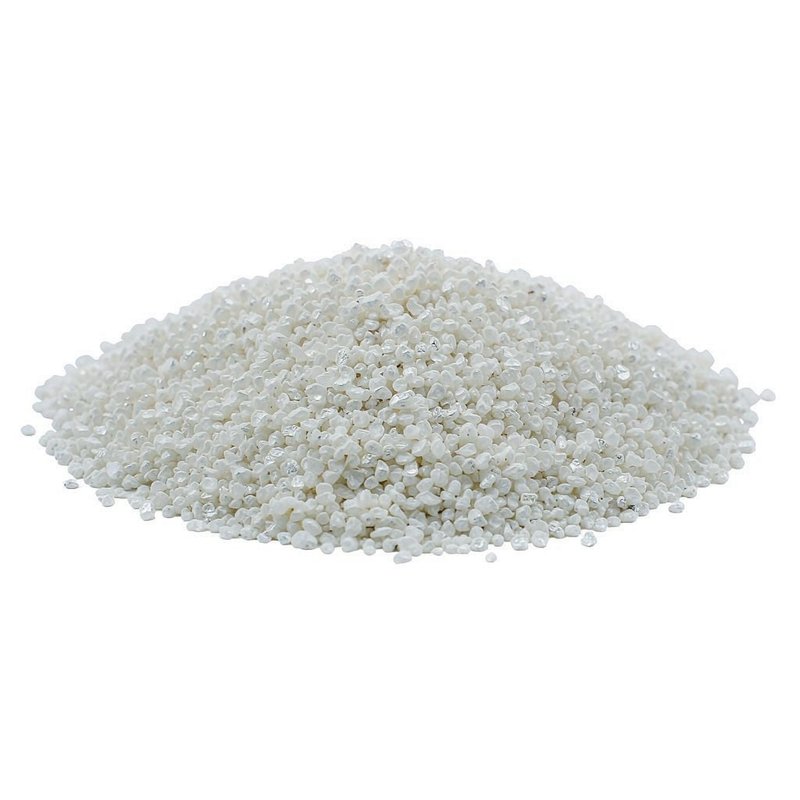
Uv absorber (uva) · UV-630
A new-generation triazine UV absorber with stronger UV absorption than conventional grades, low volatility and broad resin compatibility, for high-weathering and high-temperature applications
In one sentence: A triazine UV absorber with high heat resistance and low volatility, for nylon, polycarbonate, polyester and polymer alloys.
- Melting range: 88.0 – 91.0 °C (source: spec table on this page)
- Specific gravity (25 °C): 1.15 g/cm³ (source: spec table on this page)
- Temperature at 5% weight loss: 327 °C (source: spec table on this page)
- Recommended dosage: 0.2 - 6% (source: grade description on this page)
What it is
Tiangang® UV-630 is a UV absorber (UVA). A UV absorber takes in 280–400 nm radiation and dissipates it as heat, acting as a filter layer at the surface. It does not scavenge radicals itself. Product identifiers:
Technical data
Applications and properties
| Tiangang® UV-630Tiangang® UV-630PC/ABSPC/PBTPPE/IPSPPE/PAChemical composition | Triazine UV absorber |
Tiangang® UV-630 | Appearance | Melting range, oC | Specific gravity, | Weight-loss temperature, 5%, oC |
Pale yellow low-dust powder | 88.0 – 91.0 | 1.15 | 327 |
Tiangang® UV-630 | Depending on the customer’s formulation, 0.2 - 6% |
Tiangang® UV-630 | The product is hygroscopic. Store sealed, dry and away from light below 50Cardboard box/20/ Figures above are typical industry ranges, not guaranteed values. The actual loading depends on wall thickness, design life and the other additives in the system, and should be established by a loading ladder on the real formulation. Three things decide the choice for UV-630: molecular weight and volatility, basicity, and compatibility with the other components in the system. Triazine family, same positioning as 570 — high weathering, high processing temperature, low volatility; pick between them on compatibility. Benzophenones such as UV-531 are cost-effective and compatible but absorb at shorter wavelengths and migrate over time. Benzotriazoles (UV-326, 327, 328) absorb more strongly and resist migration, which is why engineering plastics mostly use them. Triazines (UV-570, UV-630) give the highest heat and weathering resistance for high-temperature processing and demanding outdoor parts. Engineering plastics are processed at 250–300 °C. A standard UV absorber volatilises or decomposes in that window, losing active content and contaminating the tool. High-temperature grades have a higher decomposition temperature and survive the process. Acid-base interaction. Some UV absorbers and highly basic HALS interfere with each other in the same system and lose synergy. Our T-series packs are formulated with both sides of that balance in mind. The figures and guidance above follow Tiangang's published technical material and common industry practice. For a specific formulation, refer to the batch COA and the technical agreement between the parties. |