Automotive Wiring, Electrical and Flame Retardancy
If the interior's technical contradiction is "multiple indicators constraining one another", then the difficulty of electrical and wiring parts is more direct:flame retardancy is a hard requirement, and it has to be satisfied together with aging resistance. After NEVs pushed voltage to 1500 V, with larger currents and higher temperature rise, the halogen-free, low-smoke + long service life combination requirement for wiring-harness sheaths, electrical connectors and battery-pack housings has risen significantly.
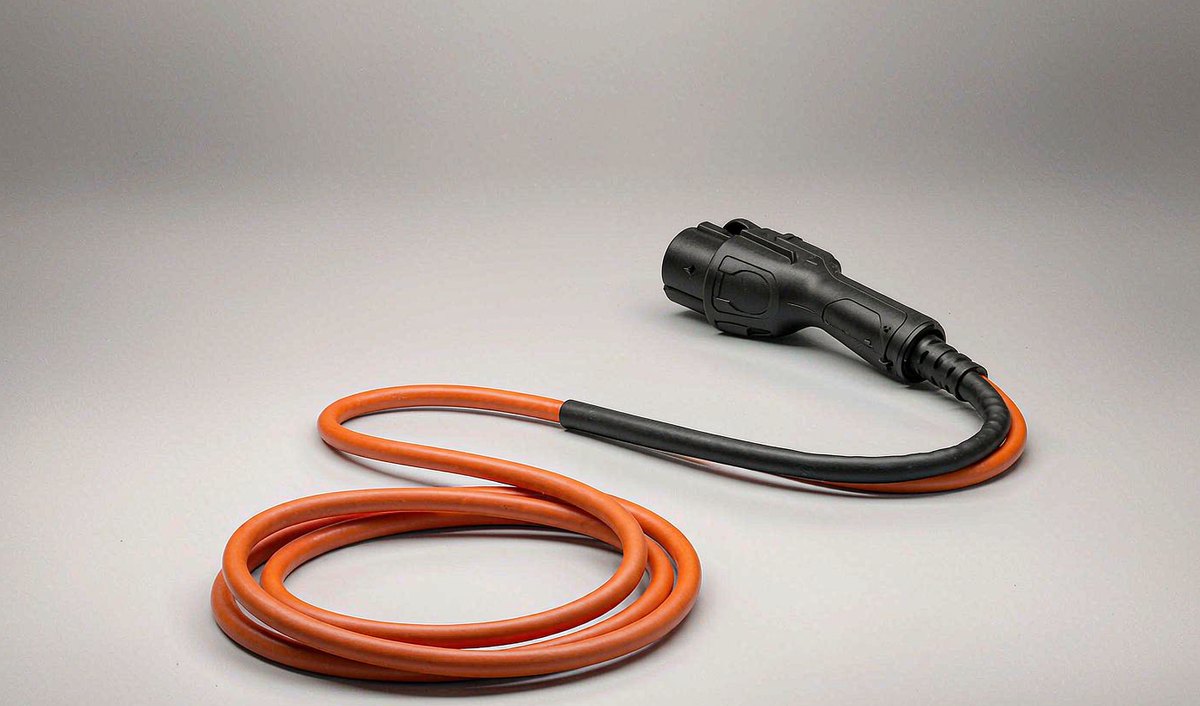
1. Standards and requirements for wiring and electrical parts
| System | Standard | Core requirement |
|---|---|---|
| Low-voltage harness flame retardancy | ISO 6722, FMVSS 302 (interior) | Horizontal burning-rate requirement; cables additionally carry the VW-1 vertical burning rating |
| High-voltage harness | ISO 19642, GB/T 25085/25087, UL 758 | 1500V DC flame retardancy and aging resistance; temperature resistance 125℃/150℃/180℃ by class |
| Bus and truck cable flame retardancy | UN/ECE R118 Annex 10 | Self-extinguishing within 70 s, top insulation retained ≥50 mm |
| Charging cables / connectors | IEC 62196-2, SAE J1772 | Flame retardancy, -30 to +50°C endurance, UV weather resistance, >10,000 insertion cycles |
| Material flame-retardancy rating | UL 94 V-0 / V-1 / V-2 | Rated by wall thickness; harness sheaths and connector housings mostly require V-0 |
| Battery-pack housing | GB 38031-2025 (mandatory from 2026-07-01) | Thermal propagation "no fire or explosion within 2 hours"; newly added bottom impact and post-fast-charge-cycle short circuit |
2. The flame-retardancy vs. weather-resistance conflict, and Tiangang's solution
2.1 Why "flame retardant + conventional HALS" drag each other down
Common flame-retardant systems (halogenated flame retardants, phosphate esters, intumescent flame retardants APP/MCA) and their processing can all introduce acidic by-products. Conventional HALS, meanwhile, is an alkaline hindered amine - it neutralizes with these acidic substances, causing the HALS to deactivate early, and weather resistance falls with it.
This creates a dilemma: add flame retardant and weather resistance suffers; leave it out and the mandatory standard is not met.
2.2 NOR structure: resolving the conflict at the chemical-structure level
N-OR (N-alkoxy hindered amine) structure's key feature is low alkalinity and no neutralization with acidic substances, so it stays active in systems containing flame retardants or acidic components. Tiangang has two products in this direction:
| Product | Chemistry type | Key metrics | Applicable scenarios |
|---|---|---|---|
| FR-810A Polymeric halogen-free flame retardant | Polymeric NOR-HALS | Flame retardancy + light stabilization + long-term thermal stabilitythree effects in one; recommended loading 0.2–1.2%; low volatility, low migration, low extraction; compliant with REACH / TSCA / FDA; recommended processing temperature ≤250°C | Battery-pack housings and module brackets, halogen-free flame-retardant LGF-PP, harness sheaths, PP fibers and nonwovens |
| XT-8 High-molecular-weight NOR light stabilizer | High-molecular-weight N-OR HALS | Resistant to sulfur at 3000-7000 ppm and chlorine at ≤850 ppm; a China-original structure with a CAS number; low alkalinity and low migration, usable alone or blended with HS-625 | Blends containing acidic components, agricultural film and other harsh environments; can serve as the weather-resistance component in flame-retardant systems |
| HS-112 Low-molecular-weight liquid NOR | Low-molecular-weight N-OR HALS | Dynamic viscosity 3000 mPa·s (20°C); miscibility >50% in most common coating solvents; recommended loading 0.5-2% (can be blended with 1-3% UV absorber) | Automotive and industrial coatings, and processes requiring liquid feeding |
3. Other electrical-related materials
| Part | Material direction | Support Tiangang can provide |
|---|---|---|
| Battery-pack tray / underbody guard | Long-glass-fiber reinforced flame-retardant PP (LGF-PP + halogen-free flame retardant) | The N-OR system does not fail in acid; FR-810A can raise the flame-retardancy rating at low loadings |
| Battery module brackets / connector housings | Glass-fiber reinforced halogen-free flame-retardant PA6/PA66 | XT-8 resists acidic environments; blended with AO-168 to improve long-term thermal stability |
| High-voltage connectors | Flame-retardant + hydrolysis-resistant PBT, PPA | Low-alkalinity NOR system, avoiding conflict with acidic flame-retardant by-products |
| Low-voltage harness sheaths | PVC / XLPE / TPE / halogen-free flame-retardant systems | AO-B215 and other blended antioxidants protect the process and long-term thermal stability |
| Automotive coatings / varnishes | Acrylic, polyurethane (water- and solvent-borne) | HS-3310 composite UV light stabilizers; HS-112 liquid NOR |
For the complete flame-retardant and electrical-parts material list, see ④ NEV-Specific Materials and ⑤ Selection Guide.
Certifications
- National High-Tech Enterprise
- Vice Chairman Unit, China Plastics Processing Industry Association (CPPIA)
- Vice Chairman Unit, Agricultural Plastics Branch, China Agricultural Plastics Application Technology Society
- Member, Ageing Methods Subcommittee, National Technical Committee on Plastics (SAC/TC15/CS5)
- Member, Society of the Plastics Industry (SPI), USA
Recommended Products
Products
UV Absorbers

- Tiangang elected Executive Deputy Director Unit of CPPIA Agricultural Film Committee
- Tiangang wins Leading Award at Beijing TV Innovation Institute finals
- Tiangang concludes CHINAPLAS 2023 on a high note
- First industry-academia-research base in Weishanzhuang Town lands at Tiangang
- Tiangang-Tinaco BUCT scholarship award ceremony 2021-2022