Selecting Synergistic Combinations of Light Stabilizers
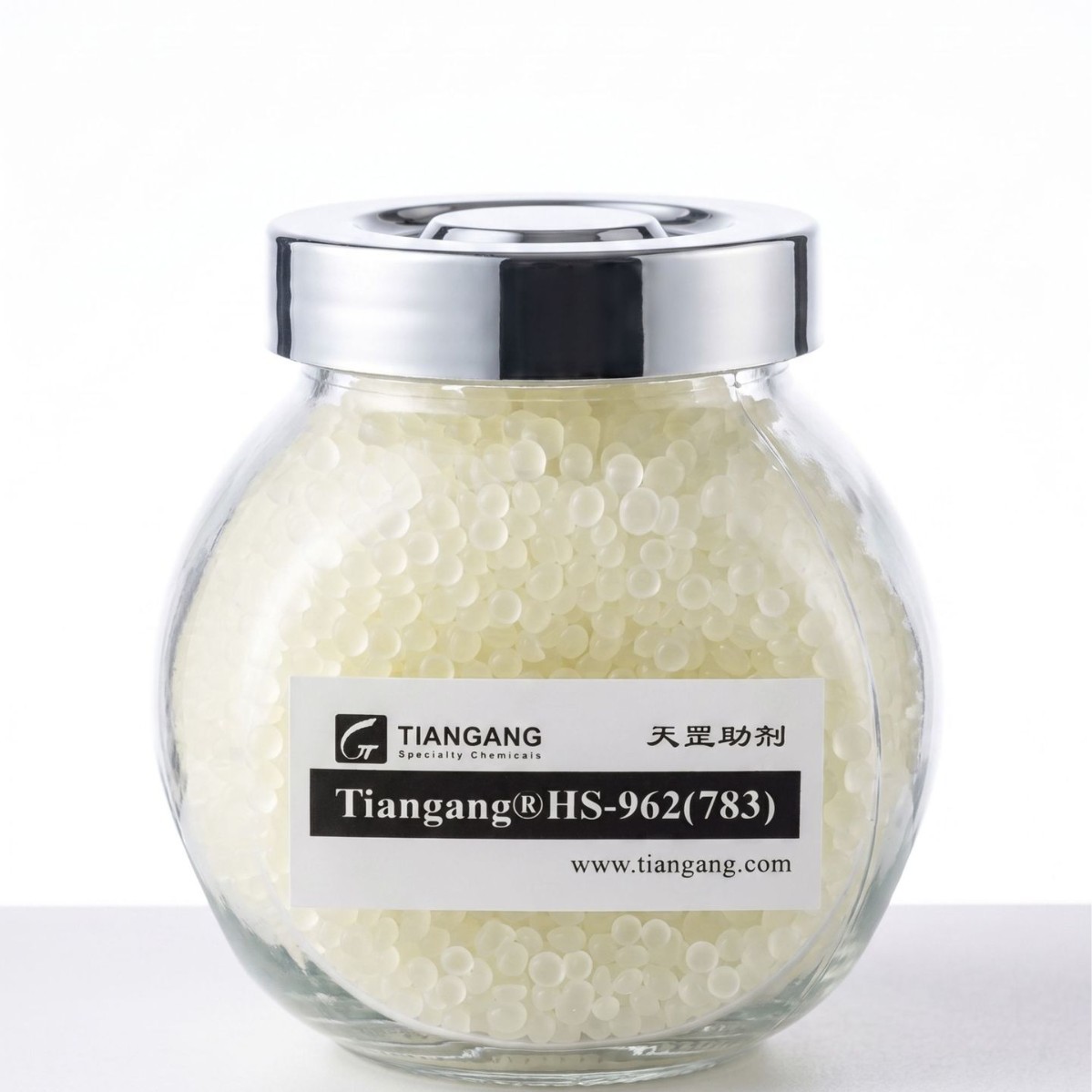
Synergistic effects of light stabilizers Each type of light stabilizer has its own molecular-structure characteristics, functions and effects, yet to date no single stabilizer can solve all the degradation (ageing) problems of polymers. Regarding light-stabilizer application, besides requiring the stabilizer itself to be multifunctional and high-molecular-weight, the only option is to combine light stabilizers with different light-stabilization mechanisms. Synergism means that the combined effect of two (or more) light stabilizers exceeds the additive effect of their individual use. When selecting stabilizers and their combinations, one must first consider the polymer material and the environment in which it is used. Polymer materials used outdoors generally require both a UV light stabilizer and an antioxidant. Materials used indoors may only need an antioxidant. For polymer melt processing, a light/heat stabilizer and an antioxidant can be added; for polyolefins, polystyrene and most polymers containing vinyl or diene structures, adding a light stabilizer is essential.Synergy selection -> HS-962 blend package structural formula
Specifications and application notes on this page are compiled from Tiangang's published technical data. Actual values are governed by the COA shipped with each lot and the technical agreement confirmed by both parties.