
Mechanism of Light Stabilizers
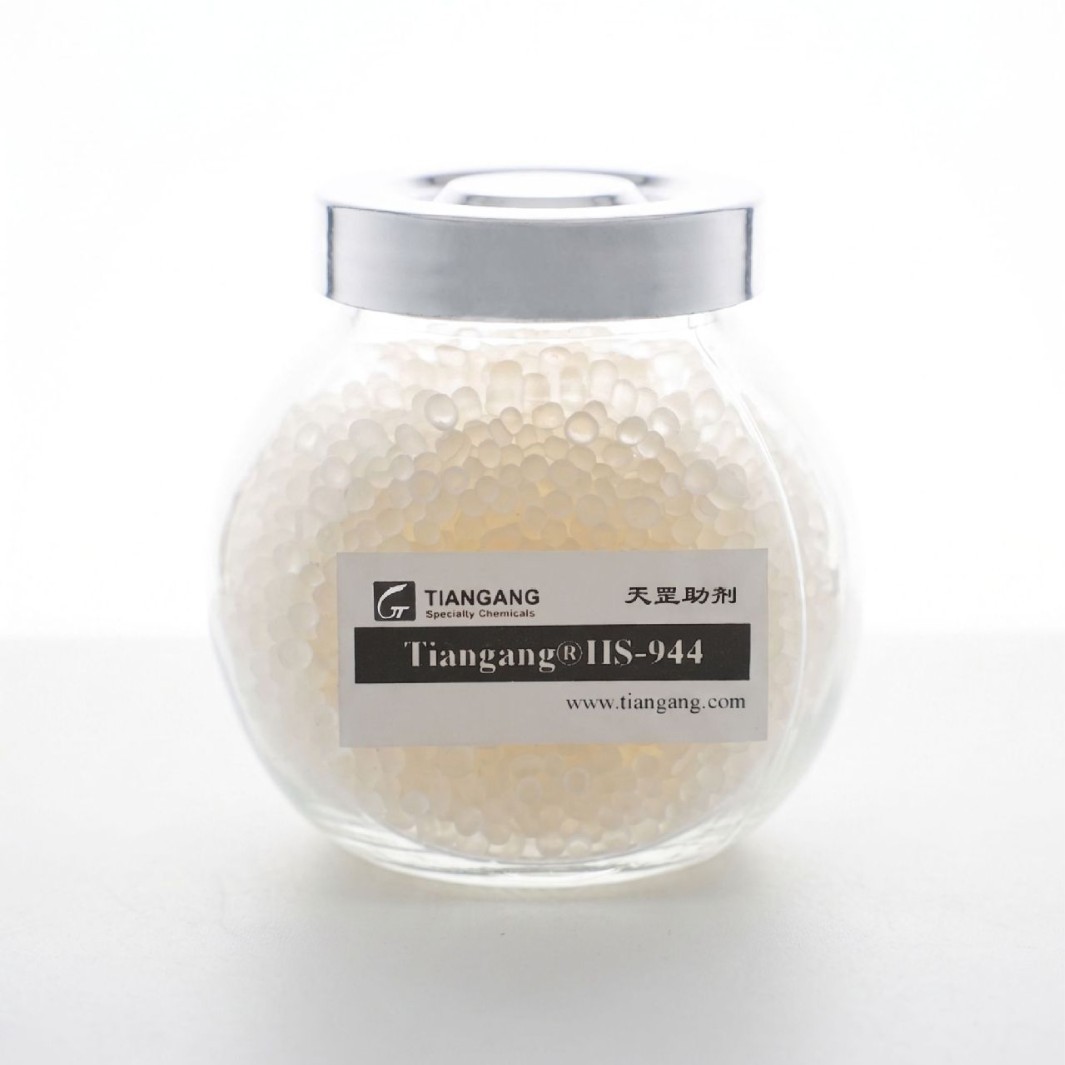
In industry, effective prevention and retardation of photoageing is mostly achieved by combining two or more anti-ageing agents with different mechanisms, because each anti-ageing agent, especially light absorbers, has its own UV absorption band. Composite formulations such as benzophenone + benzotriazole + hindered amine (HALS) can achieve the optimal effect unattainable by a single light stabilizer.
The UV absorbers added to sunscreens work on the same principle: they scatter or absorb the UV radiation reaching the skin surface, so that the skin is spared or receives less UV damage.
Technical reviewTiangang Technical CenterVersion2014-03-20
Specifications and application notes on this page are compiled from Tiangang's published technical data. Actual values are governed by the COA shipped with each lot and the technical agreement confirmed by both parties.
Certifications
- National High-Tech Enterprise
- Vice Chairman Unit, China Plastics Processing Industry Association (CPPIA)
- Vice Chairman Unit, Agricultural Plastics Branch, China Agricultural Plastics Application Technology Society
- Member, Ageing Methods Subcommittee, National Technical Committee on Plastics (SAC/TC15/CS5)
- Member, Society of the Plastics Industry (SPI), USA
Recommended Products
Products
UV Absorbers
400-094-4362
- Tiangang elected Executive Deputy Director Unit of CPPIA Agricultural Film Committee
- Tiangang wins Leading Award at Beijing TV Innovation Institute finals
- Tiangang concludes CHINAPLAS 2023 on a high note
- First industry-academia-research base in Weishanzhuang Town lands at Tiangang
- Tiangang-Tinaco BUCT scholarship award ceremony 2021-2022
Online Inquiry
Online inquiry
Share the substrate, processing conditions and target service life to save a round of back-and-forth.
Start an inquiry 400-094-4362