Light Stabilizers and Recycled Pellets: Their Amazing Role in Plastic Products
In today's industrial world, plastic products are everywhere—from the bottles and jars of daily life to precision parts in high-tech fields, they all depend on plastics. Yet under factors such as light and temperature, plastic products age and fade. So we need a magical force to protect them—that is light stabilizers and recycled pellets.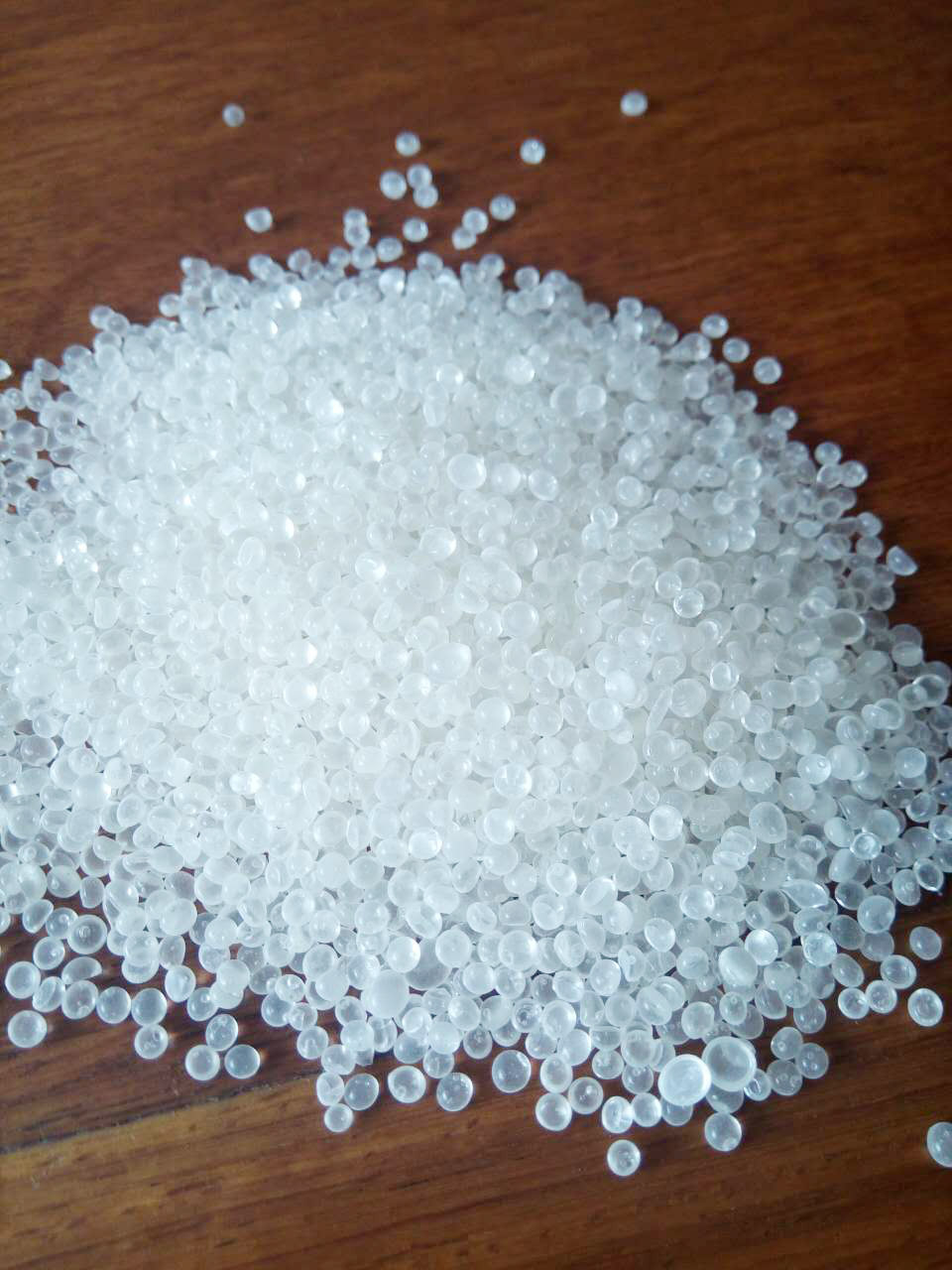
I. Light Stabilizers: The 'Sunscreen' for Plastic Products
A light stabilizer is a chemical that inhibits or slows the aging of plastic products caused by UV exposure. Through mechanisms such as absorbing UV, suppressing free-radical reactions, and inhibiting color formation, it provides 'sun-screen' protection for plastic products.
In a soft-article scenario, we might describe it this way: in the sunlight, a car speeds by, and the plastic parts on its windows gradually lose their luster and darken under UV exposure. At this point, the light stabilizer must play its role, providing 'sun-screen' protection for these plastic parts so they retain their original luster and color over long use.
II. Recycled Pellets: The 'Rejuvenation Pill' for Plastic Products
Recycled pellets are new plastic pellets regenerated from waste plastics through cleaning, crushing, melting, and other processes. These pellets have physical and chemical properties similar to virgin plastics and can be used to manufacture new plastic products.
In a soft-article scenario, we might describe it this way: an environmental company is processing large amounts of waste plastic; after crushing, cleaning, and melting, it obtains new recycled pellets. These pellets can be used not only to make new plastic products but also to replace virgin plastic, reducing dependence on petroleum resources and lowering environmental pollution.
III. The Combined Effect of Light Stabilizers and Recycled Pellets
In practical applications, light stabilizers and recycled pellets are often used together. For example, when manufacturing outdoor plastic products, we need to add light stabilizer during production to enhance UV resistance; at the same time, we can use recycled pellets to replace part of the virgin plastic, lowering production costs and reducing environmental pollution.
IV. Case Study: Light Stabilizers and Recycled Pellets in Practice
An outdoor-furniture manufacturer encountered a problem in production: their outdoor furniture faded easily in sunlight. To solve it, they consulted a chemical expert. After in-depth research and experimentation, the expert recommended adding a new type of light stabilizer and recycled pellets during production. This light stabilizer effectively absorbs UV and inhibits color formation, while the recycled pellets—generated from treated waste plastic—can replace part of the virgin plastic.
After a period of trial and application, the manufacturer found that the new light stabilizer and recycled pellets achieved significant results in improving UV resistance, lowering production costs, and reducing environmental pollution. Their outdoor furniture's fading problem under sunlight was effectively solved, and product quality and market competitiveness were greatly improved.
V. Summary: Light Stabilizers and Recycled Pellets—Guardians of Plastic Products
In an era of rising environmental awareness and intensifying market competition, the emergence of light stabilizers and recycled pellets provides a brand-new solution for the production and use of plastic products. They not only improve product quality and performance and lower production costs, but also reduce environmental pollution, bringing tangible benefits to our lives and to the sustainable development of the planet. Let us look forward to these two 'magical forces' bringing us more surprises and possibilities in the future!
Certifications
- National High-Tech Enterprise
- Vice Chairman Unit, China Plastics Processing Industry Association (CPPIA)
- Vice Chairman Unit, Agricultural Plastics Branch, China Agricultural Plastics Application Technology Society
- Member, Ageing Methods Subcommittee, National Technical Committee on Plastics (SAC/TC15/CS5)
- Member, Society of the Plastics Industry (SPI), USA
Recommended Products
Products
UV Absorbers

- Tiangang elected Executive Deputy Director Unit of CPPIA Agricultural Film Committee
- Tiangang wins Leading Award at Beijing TV Innovation Institute finals
- Tiangang concludes CHINAPLAS 2023 on a high note
- First industry-academia-research base in Weishanzhuang Town lands at Tiangang
- Tiangang-Tinaco BUCT scholarship award ceremony 2021-2022