Light Stabilizers in Plastics: Concept, Role, and Selection
With the development of modern industry and advances in science and technology, plastic products have gradually entered every aspect of our daily lives, such as electrical appliances, automobiles, and daily necessities, with considerable demand. However, because plastics are easily affected by external factors such as light, heat, and oxygen, requirements for their safe use and long life cycle are increasing. To meet these needs, adding light stabilizers to plastics has become an important solution. As a professional light stabilizer supplier, Beijing Tiangang Auxiliary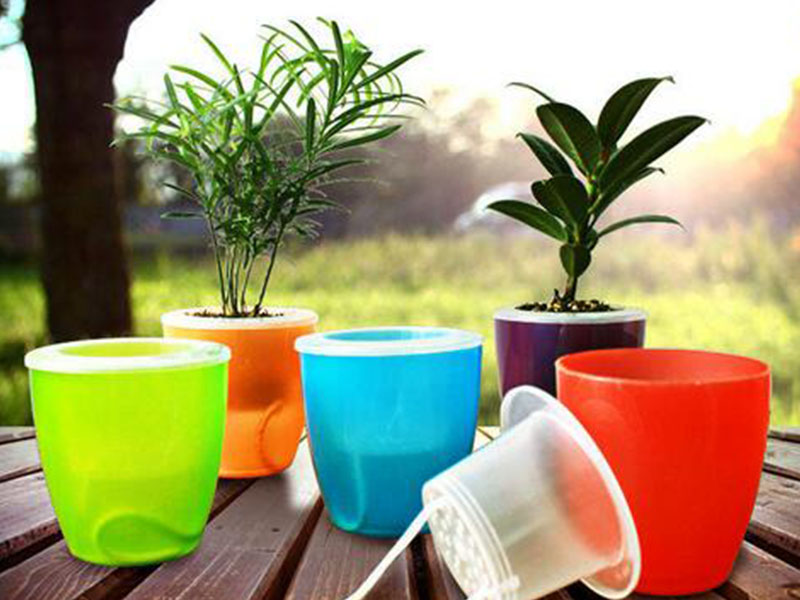
This article will describe the following aspects:
1. Concept and Classification of Light Stabilizers
2. The Role of Light Stabilizers in Plastics
3. Application Fields of Light Stabilizers
4. Selection and Usage Recommendations for Light Stabilizers
I. Concept and Classification of Light Stabilizers
Light stabilizers are a class of additives designed to improve the light stability of plastic materials, resist UVA and UVB radiation, and prevent oxidation, cracking, embrittlement, and discoloration of plastic materials. They can be divided into four major categories: absorption-type, reaction-type, molecular-force-field-type, and synergistic-type.
1. Absorption-type: The absorption-type absorbs UV radiation and converts it into heat.
2. Reaction-type: The reaction-type combines free radicals triggered by UV radiation with the reaction-type agent; organic hydroxyl, amino, and aromatic ketone groups are typical representatives of the reaction-type.
3. Molecular-force-field-type: It uses molecular force fields to slow the aging rate of materials; representatives include barium diketocarboxylate, zinc naphthenate, and organic dithiazine.
4. Synergistic-type: It uses the synergistic effect of multiple light stabilizers, which not only improves the UV-radiation-blocking effect but also extends the service life of plastics and their anti-aging capability.
II. The Role of Light Stabilizers in Plastics
Light stabilizers can protect plastic moldings from yellowing, embrittlement, and aging. The main functions include:
1. Absorbing UV light: Light stabilizers absorb ultraviolet rays and convert them into low-energy radiation or heat, thereby reducing the light-absorption rate of plastics.
2. Reacting with free radicals: Light stabilizers can combine with and dissociate free radicals, mainly by capturing free radicals and causing their consumption reaction within the molding or additive, thereby reducing the further impact of harmful free radicals on the aging and fission of plastic materials, and increasing the stability of the polymers composing the plastic.
3. Synergistic effect: Light stabilizers can also act synergistically, working together with antioxidants and anti-UV additives that identify dual degradation, thereby avoiding bleaching, fading, and corrosive delamination of polymer materials such as glass facings, carpets, and printed materials under hot climates. III. Application Fields of Light Stabilizers
The application fields of light stabilizers are relatively broad; the common application occasions mainly include the following:
1. Building materials: such as in the processing of industrial, glass, ceramic, plastic, and rubber products.
2. Electronics and electrical appliances: such as power tools, cables, wires, helmets, automotive wheels, and high-end items.
3. Automotive industry: such as flanges, headlights, tail lights, railings, door guards, seats, carpets, and other automotive interior panel materials.
4. Plastic products: such as bicycle wheels, chairs, water dispensers, toys, and food packaging.
IV. Selection and Usage Recommendations for Light Stabilizers
The dosage of light stabilizers in plastic product manufacturing is about 0.1%–3%; a moderate dosage between 0.2%–0.7% can already upgrade and stabilize the material. The following points should be noted in use:
1. The selection of light stabilizer must match the plastic composition; different weather resistance calls for different light stabilizer usage.
2. Select the appropriate type of light stabilizer; only after experimentation can it be shown whether the agent is suitable for the currently needed material.
3. Add the release agent according to the light stabilizer's addition amount and usage method, ensuring the light stabilizer is fully and uniformly adsorbed onto the plastic material.
In summary, as a professional light stabilizer supplier, Beijing Tiangang Auxiliary has, through long-term production practice, carefully researched and developed various additives with excellent performance and high stability, fully considering various practical application situations, and providing the market with safe, practical, and efficient solutions. The application of light stabilizers in plastic materials will continue to develop and expand; we welcome users to consult and purchase.
Certifications
- National High-Tech Enterprise
- Vice Chairman Unit, China Plastics Processing Industry Association (CPPIA)
- Vice Chairman Unit, Agricultural Plastics Branch, China Agricultural Plastics Application Technology Society
- Member, Ageing Methods Subcommittee, National Technical Committee on Plastics (SAC/TC15/CS5)
- Member, Society of the Plastics Industry (SPI), USA
Recommended Products
Products
UV Absorbers

- Tiangang elected Executive Deputy Director Unit of CPPIA Agricultural Film Committee
- Tiangang wins Leading Award at Beijing TV Innovation Institute finals
- Tiangang concludes CHINAPLAS 2023 on a high note
- First industry-academia-research base in Weishanzhuang Town lands at Tiangang
- Tiangang-Tinaco BUCT scholarship award ceremony 2021-2022