Light Stabilizer 944 vs 622: Differences and Selection
In the manufacture of plastic and rubber products, light stabilizers are important components for maintaining durability and stability. Among them, light stabilizers 944 and 622 are two common types that differ in chemical structure and performance. This article analyzes the characteristics and suitable scenarios of these two stabilizers to help
you make the best choice in production.
I. Light Stabilizer 944: Excellent Weatherability
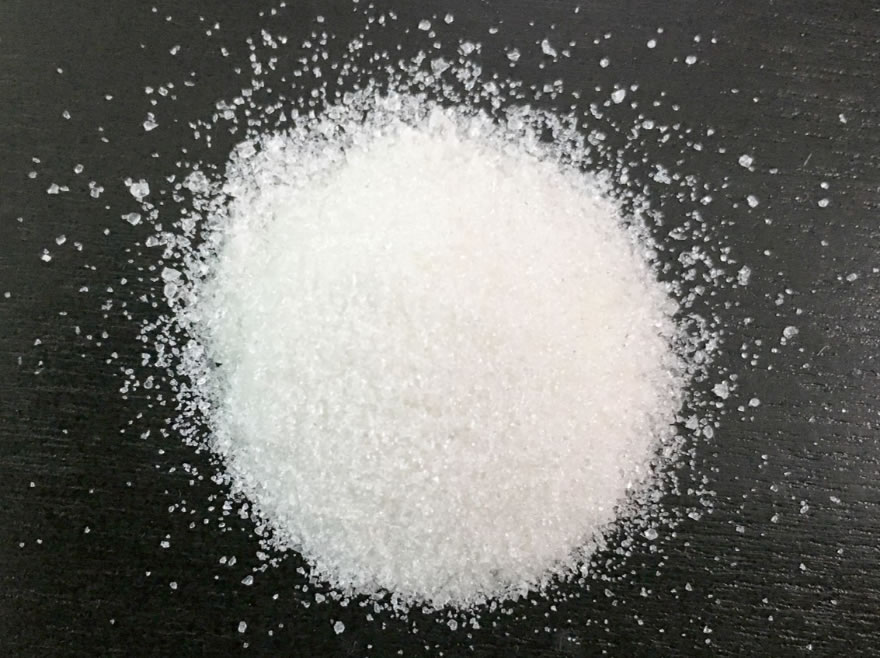
Light stabilizer 944 is a polyol benzotriazole derivative with excellent weatherability and thermal stability. The active groups in its molecular structure interact with polymer chains, effectively suppressing the aging process under light. Therefore, 944 is widely used in plastics, coatings and rubber.
Specifically, light stabilizer 944 is suitable for polyolefins, PVC, polyamides, polyesters and many other resins. Especially in high-temperature processing or long-term outdoor exposure, 944's light-stabilizing effect is more pronounced. In addition, thanks to its low toxicity and good compatibility, 944 is also widely used in food packaging and medical devices.
II. Light Stabilizer 622: A Highly Efficient Multi-functional Stabilizer
Light stabilizer 622 is a benzophenone compound featuring high efficiency and multi-functionality. Compared with 944, 622 shows stronger UV absorption, effectively preventing UV damage to materials. In addition, 622 has good antioxidant and thermal stability, maintaining material stability in harsh environments.
In terms of application, light stabilizer 622 is suitable for PVC, polyurethane, acrylate and other resins. It is widely used in outdoor products, automotive parts and building materials, effectively improving weather resistance and anti-aging performance.
III. Selection Advice for 944 and 622
When choosing between 944 and 622, weigh them according to the product's specific needs and processing conditions. If you require high weatherability and thermal stability, or materials that must remain stable during high-temperature processing, 944 may be more suitable. If you need stronger UV absorption or a broader application range, 622 may better suit your needs.
IV. Conclusion: Understand the Differences and Make a Wise Choice
In summary, light stabilizers 944 and 622 differ in chemical structure, performance and application scenarios. Understanding these differences helps you make wiser choices in production. Whichever stabilizer you choose, ensure it complies with relevant regulations and standards to guarantee product quality and safety. Meanwhile, keep abreast of industry developments to stay informed of the latest stabilizer technologies and products, which will help you maintain a leading position in a competitive market and create greater business value.
In future development, as material performance requirements rise and science and technology advance, the variety and application fields of light stabilizers will continue to expand. We look forward to more innovative and efficient stabilizer products entering the market, providing stronger support for various industries. Let us anticipate a bright future in this field!
Certifications
- National High-Tech Enterprise
- Vice Chairman Unit, China Plastics Processing Industry Association (CPPIA)
- Vice Chairman Unit, Agricultural Plastics Branch, China Agricultural Plastics Application Technology Society
- Member, Ageing Methods Subcommittee, National Technical Committee on Plastics (SAC/TC15/CS5)
- Member, Society of the Plastics Industry (SPI), USA
Recommended Products
Products
UV Absorbers

- Tiangang elected Executive Deputy Director Unit of CPPIA Agricultural Film Committee
- Tiangang wins Leading Award at Beijing TV Innovation Institute finals
- Tiangang concludes CHINAPLAS 2023 on a high note
- First industry-academia-research base in Weishanzhuang Town lands at Tiangang
- Tiangang-Tinaco BUCT scholarship award ceremony 2021-2022